Better Than Tokyo, Half the Price: Finding Gorgeous Vintage Kimono in Sapporo's Hidden Textile Scene
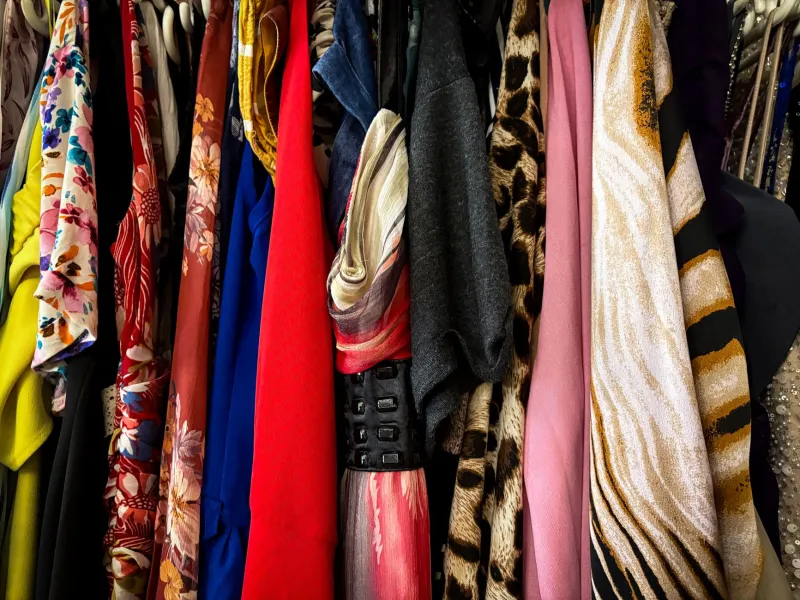
Let's be honest: most American travelers who want to bring home a kimono end up with a machine-printed polyester piece from a tourist trap near Kyoto's Gion district. It looks fine in photos, costs way too much, and sits in a closet for the next decade. There's a better way — and it runs through Sapporo.
Hokkaido's capital has quietly developed one of Japan's most accessible vintage textile markets, and it's genuinely underserved by travel media. Whether you're a serious collector, a fashion enthusiast, or just someone who wants something more meaningful than a standard souvenir, Sapporo's kimono scene is worth building an itinerary around.
Why Sapporo? The Case for Hokkaido's Textile Market
Sapporo doesn't have the ancient merchant-class history of Kyoto or the dense secondhand district density of Tokyo's Shimokitazawa. What it does have is a large, aging local population that has been clearing out family estates for decades — and a resale culture that hasn't been fully discovered by international buyers yet.
That combination matters a lot. In Tokyo, vintage kimono shops are increasingly priced for foreign tourists and fashion-forward locals who've seen the global cottagecore and slow-fashion movements drive demand. In Sapporo, you're still largely shopping in a local market. Prices reflect that. A silk tomesode — a formal kimono with intricate hem embroidery — that might run $150 to $300 in a curated Tokyo vintage shop can turn up in Sapporo for $40 to $80 at a well-stocked secondhand store. Yukata, the lighter cotton summer robes, are even more accessible, sometimes priced under $15 for pieces in excellent condition.
Where to Actually Shop
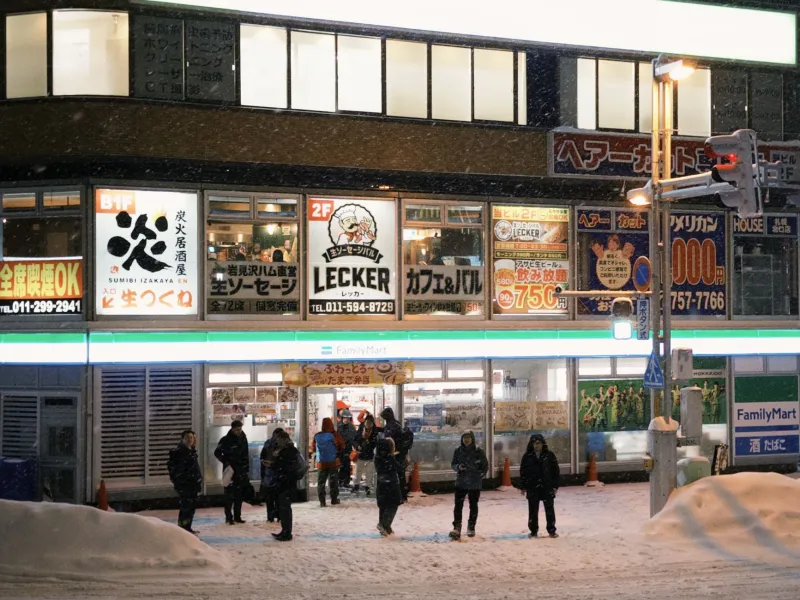
Tanukikoji Shopping Arcade is the obvious starting point. This covered arcade stretches several city blocks and includes a rotating cast of antique dealers and secondhand shops. Not every vendor carries textiles, but those that do tend to stock a broad mix — everything from casual everyday kimono to formal pieces with elaborate woven patterns. It's worth walking the full length slowly, because inventory changes frequently and the best finds are rarely displayed prominently.
Nijo Market and its surrounding side streets host occasional textile vendors, particularly on weekends. This is more of a hunting ground than a guaranteed destination, but the low-pressure atmosphere makes it easy to browse without feeling obligated to buy.
Sapporo's flea markets and community sales are where serious shoppers do their best work. The city holds rotating outdoor markets throughout warmer months, and estate-clearing sales (known in Japan as furugiya events) sometimes surface through local community boards and social media. If you're staying in Sapporo for more than a few days, it's worth following local Japanese-language community pages or asking your accommodation host about upcoming weekend markets.
Recycle shops like Hard Off and its affiliated brands are a less romantic but highly practical option. These chain secondhand stores are scattered throughout the Sapporo metro area and often have kimono and obi (the wide sash worn with kimono) sorted into bins or hanging racks with clear price tags. The selection is inconsistent, but the prices are among the lowest you'll find anywhere, and the staff are generally patient with non-Japanese-speaking shoppers.
How to Tell If What You're Holding Is Worth Buying
You don't need to be a textile expert to shop smart here, but a few quick checks go a long way.
Look at the lining. Quality vintage kimono are typically fully lined in a contrasting silk or high-grade synthetic. If the interior looks carefully finished with neat seams and a smooth lining fabric, that's a good sign. Rough or unfinished interiors usually indicate a lower-quality piece.
Check the collar area. This part of a kimono takes the most wear. Look for discoloration, fraying, or staining at the neckline. Minor wear is expected on truly vintage pieces, but heavy staining is hard to remove and will affect how wearable the piece actually is.
Feel the weight and texture. Silk has a distinctive cool, smooth hand feel and a subtle natural sheen that shifts in different lighting. Polyester can mimic this reasonably well, but tends to feel slightly warmer and has a more uniform, almost plastic-y shine. Neither is inherently bad — vintage polyester kimono from the 1970s and 80s have their own appeal — but knowing what you're holding helps you evaluate whether the price is right.
Ask about the obi separately. The obi is often sold apart from the kimono itself and can be just as beautiful as the robe. A well-preserved vintage obi with traditional woven patterns is genuinely useful as a wall hanging, table runner, or statement fashion accessory, even if you never intend to wear the full ensemble.
Wearing Vintage Kimono Without It Feeling Like a Costume
This is the question a lot of American shoppers have but don't always feel comfortable asking: how do you actually wear this at home without looking like you raided a theater prop closet?
The honest answer is that most vintage kimono translate remarkably well into Western wardrobes when worn with some intentionality. A silk kimono worn as a duster over a simple outfit — think fitted trousers and a tank — reads as fashion-forward, not costume-y. Yukata, with their lighter cotton construction and bolder graphic patterns, work as beach cover-ups or loungewear without any styling gymnastics at all.
Obi belts have found a second life in Western fashion as statement waist accessories, worn over everything from blazers to maxi dresses. They're one of the most versatile things you can bring home from Sapporo.
If you want to wear a kimono more traditionally, there's a growing online community of non-Japanese kimono enthusiasts — particularly in the US — who share tutorials, fitting guides, and styling ideas. The community is generally welcoming and practically minded.
The Bigger Picture: Why This Shopping Actually Matters
Japan is sitting on an enormous surplus of vintage kimono. Changing dress habits over the past several generations mean that millions of garments — many of them extraordinarily well-made — are being discarded or stored indefinitely. Some estimates suggest there are over a hundred million unused kimono in Japan right now.
Buying from Sapporo's secondhand market puts money directly into local shops and individual sellers, keeps these textiles in active use rather than landfill, and supports a preservation economy that values craft and continuity over fast fashion. For American shoppers who care about where their clothes come from and what they represent, that's a genuinely compelling story — and it comes with a beautiful object you'll actually keep.
Sapporo isn't going to stay undiscovered forever. But right now, the city's vintage kimono market is still operating on local time, at local prices, with none of the tourist markup that's reshaped similar markets elsewhere in Japan. That's a window worth stepping through.