Thrift Like a Pro: Why Sapporo's Second-Hand Scene Is the Best-Kept Secret in Japanese Fashion
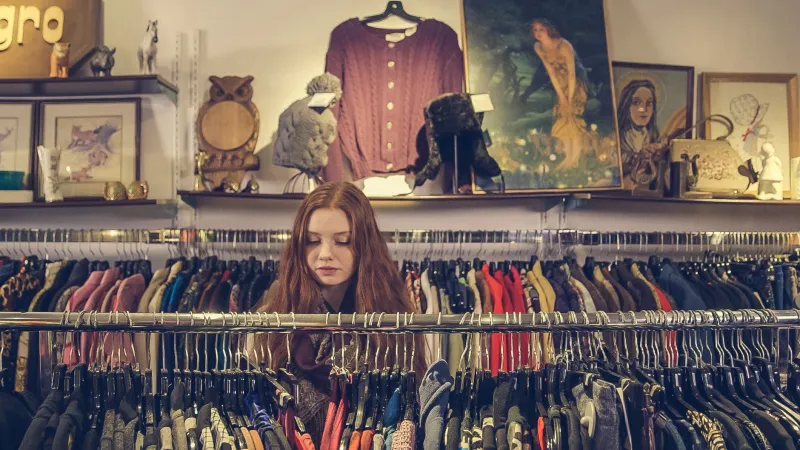
There's a particular kind of shopping high that only happens when you pull a pristine vintage Comme des Garçons jacket off a rack in a store that smells like cedar and old magazines — and you're paying less for it than you would for a fast-fashion knockoff back home. That's the Sapporo vintage experience in a nutshell.
While Tokyo gets all the press for its recycle shops and Harajuku thrift culture, Sapporo has been quietly building one of the most underrated second-hand markets in Japan. Lower rents mean lower prices. A smaller tourist footprint means less competition from other hunters. And the steady flow of gently used goods from Hokkaido's large student population and fashion-forward locals means the shelves stay stocked with genuinely interesting stuff. If you've ever wanted to go vintage shopping in Japan without the elbow-to-elbow chaos of Shimokitazawa, this is your city.
Why Sapporo's Vintage Market Works So Well
The economics of second-hand shopping in Sapporo are just different. Because the city doesn't draw the same volume of fashion-savvy tourists as Tokyo or Osaka, shops here don't jack up prices the way some of the more famous recycle stores have started to. You're shopping in a market that's still largely oriented toward local buyers — which is exactly where you want to be.
There's also a cultural factor. Japanese consumers, broadly speaking, take exceptional care of their belongings. The "used" items you'll find in Sapporo's recycle shops are often in condition that American Goodwill shoppers would describe as basically new. Tags still attached. Original packaging intact. It's not unusual to find a winter coat that's been worn once, if at all.
And because Hokkaido winters are serious business, the outerwear situation here is especially good. Think high-end ski gear, heavy wool coats, and insulated pieces from Japanese outdoor brands that barely made it to the US market — all cycling through the recycle ecosystem at extremely reasonable prices.
The Neighborhoods Worth Knowing
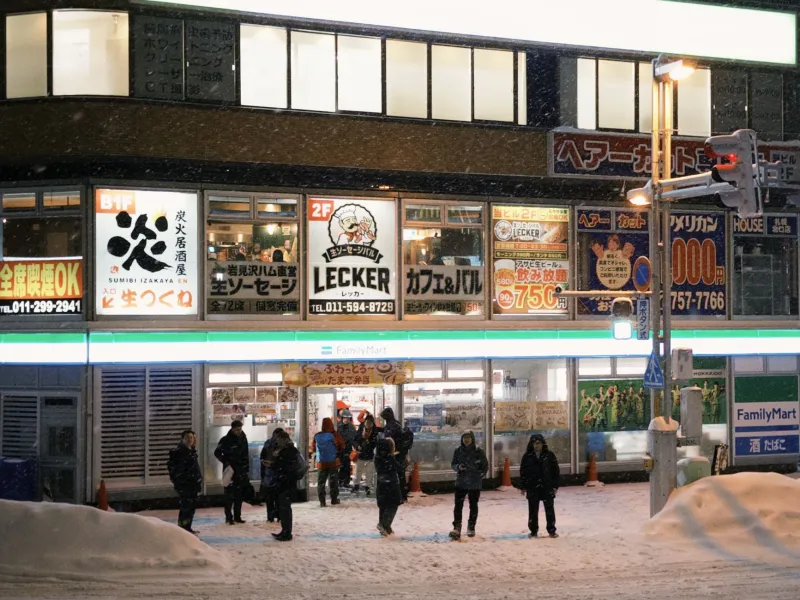
Susukino and the South End of Chuo-ku Most of Sapporo's best vintage action is concentrated in and around the Susukino district and the streets that fan out from it heading south. This is the city's entertainment and nightlife hub, which means it also attracts the kind of younger, fashion-conscious crowd that drives a healthy thrift economy. Walk the side streets here and you'll find a mix of small independent vintage boutiques and larger recycle chain stores sitting almost side by side.
Odori and the Underground Shopping Arcades Sapporo's famous underground walkway network — a lifesaver in winter — also connects you to a handful of smaller vintage and consignment spots tucked into the lower levels of buildings along Odori. These aren't as well-publicized as the street-level stores, but they're worth poking into. You'll occasionally find curated selections of vintage accessories and jewelry that feel like they were pulled straight from a Kyoto estate sale.
Shiroishi and Toyohira Wards If you're willing to hop on the subway for a few stops, the residential neighborhoods east of central Sapporo — Shiroishi and Toyohira in particular — are home to some of the city's best-value recycle shops. These are the spots where locals actually shop, which means pricing tends to be more honest and the inventory turns over fast. Go on a weekday morning for the best selection.
Shops to Put on Your List
2nd Street (セカンドストリート) This national chain has multiple Sapporo locations and is a reliable starting point for any vintage run. The stock is broad — clothing, accessories, small electronics, housewares — and the pricing is transparent and consistent. It's not the most thrilling hunting ground, but it's a great way to calibrate your eye for what's available before you move on to the more interesting independents.
Ragtag If you're specifically after Japanese designer labels — Yohji Yamamoto, Issey Miyake, Sacai, and their ilk — Ragtag is the name to know. The Sapporo branch carries a well-edited selection of high-end Japanese fashion at prices that are still meaningfully lower than what you'd pay at comparable shops in Tokyo's Daikanyama neighborhood. Authenticity is generally reliable here; the staff know their stuff.
Village Vanguard Used Slightly more chaotic and way more fun than the chains, the used-goods spinoff of the beloved Village Vanguard concept stores leans hard into the collectible and retro side of second-hand culture. Vintage toys, old manga, Showa-era kitchenware, retro stationery — if you're shopping for personality rather than just clothing, this is your spot.
Local Recycle Shops (リサイクルショップ) Don't sleep on the smaller, independently owned recycle shops scattered throughout residential Sapporo. These places don't always have English signage or Instagram-ready aesthetics, but they're where the real finds live. A willingness to wander and a translation app on your phone go a long way.
Navigating Japanese Sizing (Without the Headache)
Here's the thing about Japanese sizing that trips up a lot of American shoppers: it runs small, but not uniformly small. Women's sizing in particular can vary wildly between brands and eras. A Japanese "L" might fit like an American "S" in one brand and like an American "M" in another.
The practical move is to always try things on, ignore the label, and trust the tape measure. Many vintage shops have basic measurements listed on tags or can help you measure on request. For menswear, the fit tends to be slimmer through the shoulders and chest than American cuts, so if you're buying a blazer or structured jacket, pay close attention to the shoulder seam placement — that's the hardest thing to alter.
Shoes are an even trickier situation. Japanese shoe sizing uses centimeters (a 26cm shoe is roughly a US men's 8), and the sizing is actually fairly accurate — but the width is often narrower than standard American sizing. If you have wider feet, vintage Japanese footwear can be a challenge.
A Quick Word on Authenticity
Sapporo's recycle shops are generally trustworthy when it comes to luxury goods — the major chains have authentication processes, and the smaller independent shops that specialize in designer items have reputations to protect. That said, if you're spending serious money on a vintage bag or watch, it doesn't hurt to do a quick visual check against reference photos online before you commit.
For clothing, authenticity is less of a concern than condition. Check seams, zippers, and any printed or embroidered graphics carefully. Vintage Japanese garments are usually in excellent shape, but the occasional moth hole or faded print does make it through the curation process.
The Bottom Line
Sapporo's vintage scene rewards shoppers who show up curious, move slow, and aren't afraid to wander a few blocks off the main drag. You're not going to find a perfectly curated boutique experience at every turn — but that's kind of the point. The best finds here happen when you least expect them, which is exactly what makes this city such a genuinely exciting place to shop.