Why Sapporo's Gaming and Electronics Stores Are Beating Tokyo at Its Own Game
Let's be honest: if you've ever tried to navigate Akihabara on a Saturday afternoon, you know the experience is equal parts thrilling and completely overwhelming. Shoulder-to-shoulder crowds, seven floors of blinking merchandise, and absolutely zero chance of having a real conversation with anyone who works there. Sapporo does things differently — and if you care about tech, gaming, or just finding something genuinely cool that you can't order off Amazon, this city is worth the flight.
Sapporo's electronics and gaming retail scene has been quietly leveling up for years. It doesn't have Tokyo's sheer volume, but what it offers instead is something harder to find: a manageable, deeply curated experience where store staff actually know what they're talking about, exclusive regional drops show up regularly, and the whole thing doesn't feel like you're shopping inside a pinball machine.
The Sapporo Difference: Less Noise, More Signal
The best way to understand Sapporo's tech retail culture is to think of it like the difference between a record store staffed by actual music obsessives versus a big-box retailer with a wall of CDs. Yodobashi Camera's Sapporo location — one of the flagship stores in the chain's national network — is a prime example. It's massive, yes, but the floor layout is logical, the staff are approachable, and the selection leans into regional preferences and Japan-exclusive products that rarely make it to international markets.
For American shoppers used to Best Buy's hollow aisles and shrinking inventory, walking into a fully stocked Japanese electronics retailer feels almost surreal. Entire sections are dedicated to product categories that barely exist as retail experiences in the US — think rows of dedicated audio equipment, handheld gaming accessories, smart home gadgets from brands you've never encountered, and physical media that Japan still takes very seriously.
Gaming Retail That Still Respects the Physical Copy
Here's something US gamers have largely lost: the joy of browsing a well-organized used game section. Japan never gave that up. Sapporo has a healthy ecosystem of shops — including multiple Surugaya and Book Off locations — where you can flip through shelves of physical games spanning decades of hardware generations. Famicom cartridges sit next to Switch titles. Import editions of games that never got a US release are priced and tagged and waiting.
For collectors, this is legitimately dangerous in the best possible way. Prices on older titles tend to be more reasonable outside Tokyo, and the Sapporo stores are generally better-maintained and less picked-over than their counterparts in high-traffic tourist areas. Show up early on a weekday and you might walk out with something genuinely rare.
New game releases are their own event here. Japanese game launches often come with in-store bonuses — exclusive art cards, physical extras, regional promotional items — that simply don't exist in the digital-first US market. If your trip lines up with a major title drop, it's worth checking store listings in advance. The experience of picking up a day-one release in a Japanese game shop, bonus item included, is something no digital storefront can replicate.
Tech Drops and Japan-Exclusive Hardware
Japan has always been a first-access market for consumer electronics, and Sapporo is no exception. Certain product lines — particularly in the handheld gaming, portable audio, and smart appliance categories — hit Japanese shelves months before they reach the US, if they ever do at all. Sapporo's larger electronics retailers stock these items as a matter of course, which means tech travelers can effectively use a Sapporo shopping trip as a preview window into what American consumers will be obsessing over in 18 months.
It's also worth noting that Japan's consumer electronics market has a strong culture around limited and regional editions. Colorways, bundles, and hardware variants that are sold exclusively through Japanese retail channels show up in Sapporo stores with some regularity. If you're the kind of person who follows import gaming news or keeps tabs on Japanese hardware announcements, you already know why this matters. If you're not — well, now you have a reason to start.
Navigating the Retail Geography
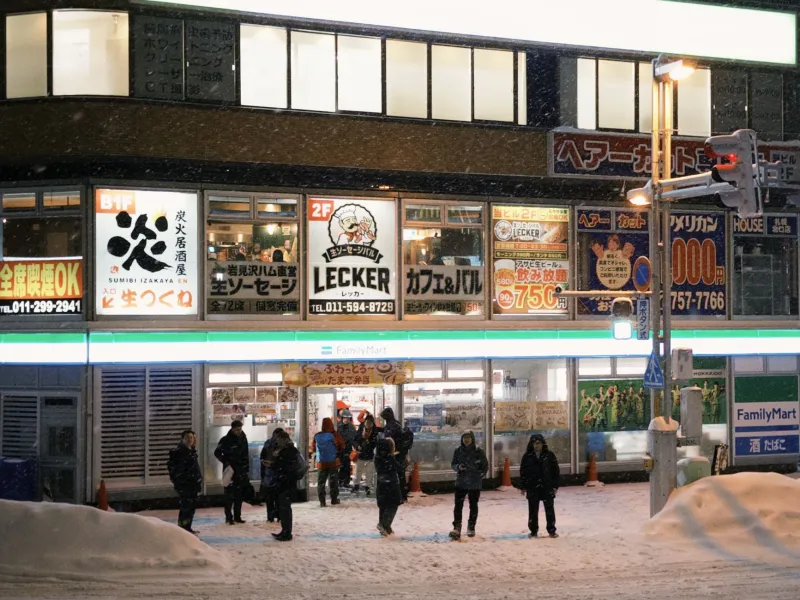
Sapporo's tech and gaming retail is conveniently concentrated rather than scattered across the city. The area around Sapporo Station and the Odori shopping corridor puts you within walking distance of the major electronics chains, and the underground shopping network means you can move between stores without ever dealing with Hokkaido's legendary winter cold.
A few practical notes for US visitors:
- Voltage and compatibility: Japan runs on 100V/50-60Hz. Most modern electronics — laptops, phone chargers, cameras — handle dual voltage fine, but double-check before you buy anything with a motor or heating element.
- Region locking: Physical game media in Japan is generally region-free for current-gen consoles (Switch, PS5), but older hardware and some software categories can be locked. Ask before you buy if you're not sure.
- Tax-free shopping: Many major retailers offer tax exemption for tourists on purchases over a certain threshold. Bring your passport and ask at the register — it adds up quickly on bigger purchases.
- Staff communication: English-speaking staff are more common in Sapporo's major chain stores than you might expect, and most retailers have bilingual signage in key sections. Don't be shy about asking for help.
The Immersive Edge: Stores as Experiences
One thing that genuinely separates Japanese electronics retail from the American equivalent is how seriously stores treat the in-store experience. Demo stations are stocked with current titles and actually maintained. Audio rooms let you test high-end headphones with real equipment. Staff demonstrations of new products happen on the floor, not just in YouTube videos.
This is especially true in the gaming sections of Sapporo's larger retailers, where you'll often find dedicated play areas, upcoming-release previews, and occasionally full tournament setups for competitive titles. It's the kind of retail environment that makes you realize how much the American model has given up in the race to push everyone online.
Worth the Trip
Sapporo isn't trying to replace Akihabara, and it doesn't need to. What it offers is a more relaxed, more navigable, and in many ways more rewarding version of Japan's famous tech retail culture — one where you can actually take your time, talk to someone who knows the product, and walk out with something you couldn't have found anywhere else. For tech-forward travelers and serious gamers making the trip to Hokkaido, carving out a day for Sapporo's electronics district isn't optional. It's the whole point.