Noodles Worth the Carry-On: A Shopper's Guide to Sapporo's Best Ramen Products
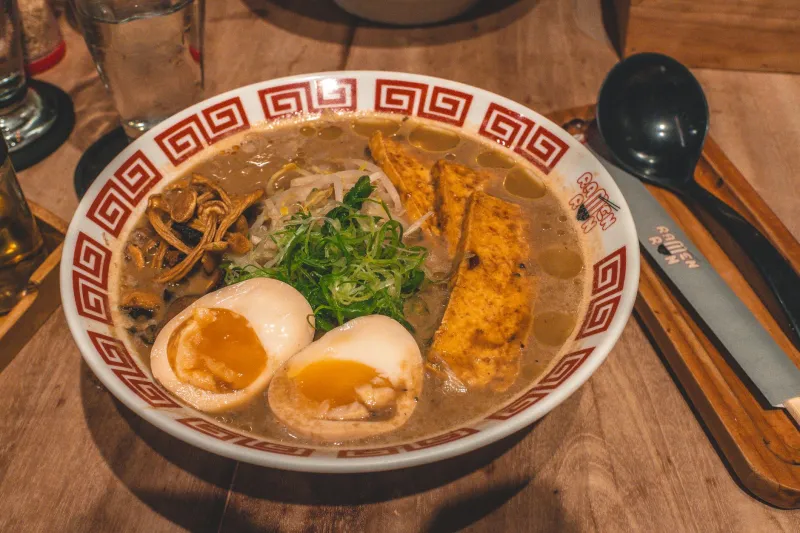
Let's be honest: eating ramen in Sapporo is a life event. That deep, rich miso broth, the curly wheat noodles, the slick of butter melting into the surface — it hits differently here than anywhere else in Japan, let alone anything you've had back in the States. And when it's time to head home, the thought of returning to whatever's in your pantry feels genuinely bleak.
Here's the thing most tourists miss: Sapporo's ramen culture doesn't stop at the restaurant door. The city has a thriving retail scene built around ramen products — premium instant versions, specialty miso pastes, dried noodle kits, and regional condiments that you absolutely cannot find on Amazon. If you know where to look, you can pack a culinary souvenir that'll actually get used instead of sitting on a shelf next to a kokeshi doll.
This guide is for the shopper who wants to bring the real thing home.
Why Sapporo Ramen Is Its Own Category
Before we get into the shopping, a little context goes a long way. Sapporo-style ramen is one of Japan's three great regional ramen traditions, alongside Tokyo's soy-based shoyu and Fukuoka's pork-heavy tonkotsu. What makes Sapporo's version distinct is the miso base — a rich, almost earthy broth that developed in Hokkaido partly because the colder climate made heartier, fattier soups more practical and appealing.
The style was essentially formalized in the 1950s at a restaurant called Aji no Sanpei, which is widely credited with inventing miso ramen as a defined dish. Since then, Sapporo has leaned hard into the identity. Today, the city has an entire district — Ramen Yokocho, or "Ramen Alley" — dedicated to the stuff. But the retail side of that legacy is equally impressive, and far less crowded.
What to Actually Buy (And What to Skip)
Not all ramen products are created equal, and the tourist-trap versions sold in airport kiosks are usually the worst of the bunch. Here's a breakdown of what's genuinely worth your luggage space.
Premium Instant Ramen Packs Brands like Sapporo Ichiban and Higashi Hokkaido produce instant ramen that bears almost no resemblance to the dorm-room staple you're thinking of. Look for multi-serving gift boxes featuring regional miso varieties — some include separate packets for lard, dried vegetables, and seasoning oil that let you build a surprisingly nuanced bowl. These are widely available but the best selections are found at specialty food stores, not convenience chains.
Dried Noodle Kits from Ramen Shops Several of Sapporo's most respected ramen restaurants now sell take-home kits that include their house-made dried noodles and proprietary soup base. These aren't cheap — expect to pay $10 to $20 USD equivalent per serving — but they're the closest thing to the restaurant experience in a box. Brands to look for include kits from shops in the Susukino area and along Tanuki Koji shopping arcade.
Specialty Miso Paste This is the sleeper hit of Sapporo ramen shopping. Hokkaido produces some of Japan's finest miso, and buying a good regional paste gives you the flexibility to experiment at home rather than being locked into one recipe. Look for blends labeled as "ramen miso" (ラーメン味噌), which are specifically calibrated for broth rather than general cooking. These pack flat, travel well, and last a long time.
Ramen-Specific Condiments Sapporo ramen often comes with optional toppings like spicy bean paste (tobanjan), garlic oil, and sesame-based sauces. Small jars of these make excellent gifts and add authenticity to home cooking. They're also compact enough that you can grab several without rearranging your entire bag.
Where Locals Actually Shop for Ramen Products
Hanamaru Supermarket and Local Grocery Chains Skip the souvenir shop markup. Sapporo's everyday grocery stores — particularly chains like Hanamaru and Arcs — carry a wide selection of regional instant ramen and miso products at prices that won't make you wince. Locals shop here, which means the turnover is high and the stock is fresh. You'll also find sizes and varieties that never make it into tourist-facing retail.
Sapporo Factory and Pole Town Underground Mall For a more curated experience, the food halls inside Sapporo Factory (a converted brewery turned shopping complex) stock premium ramen products alongside other Hokkaido specialties. Pole Town, the underground shopping arcade connecting Odori Station to Susukino, has several food retailers that carry ramen gift sets specifically packaged for travel.
Hokkaido Dosanko Plaza This is a legitimate gem. The Dosanko Plaza near Sapporo Station stocks Hokkaido-made products with an emphasis on regional authenticity — think miso blends from small producers, noodle kits from restaurants that don't have international shipping, and condiments you won't find anywhere else. It's not a secret exactly, but it caters more to people who know what they're looking for than to casual tourists.
Ramen Alley Shops Themselves Some of the restaurants in Ramen Yokocho sell retail versions of their broth and noodles directly from the counter or a small adjacent shop. It's worth asking — even if your Japanese is limited, pointing and a little mime work goes a long way. The portions are usually single-serving, but the quality is as close to eating in as you can get.
Recreating the Bowl Back Home
Sapporo ramen is more forgiving to recreate than you might think, as long as you start with good ingredients. The core technique involves building a rich miso tare — the seasoning concentrate — separately from the broth, then combining them at serving. If you've brought home a quality miso paste and a decent broth packet, you're most of the way there.
For toppings, corn and butter are traditional Sapporo additions that are obviously easy to source stateside. Bean sprouts, green onions, and chashu pork (braised pork belly) round out a classic bowl. A soft-boiled egg marinated in soy and mirin takes maybe ten minutes of active prep and makes the whole thing feel restaurant-level.
The noodles are the trickiest part to replicate without the kit — Sapporo-style noodles are curly, medium-thick, and slightly alkaline. If you didn't pack dried noodles, Sun Noodle brand (available at many Asian grocery stores in the US) is a reasonable substitute.
One Last Thing Before You Pack
Miso paste and most dried noodle products are fine to bring through US customs. Liquid-based products and anything containing meat may be flagged, so check the CBP website before you load up. When in doubt, opt for the dried versions — they're lighter, pack flatter, and are usually just as good.
Sapporo's ramen culture took decades to develop into what it is today. The least you can do is give it a proper suitcase.