Groove Hunting in Hokkaido: Why Serious Record Collectors Are Adding Sapporo to Their Must-Shop List
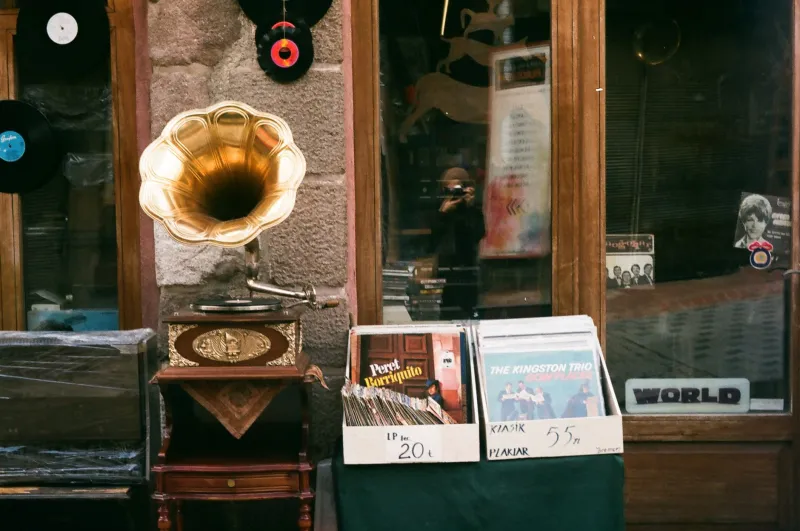
There's a particular kind of collector who's already done Tokyo. They've worked Shimokitazawa, hit the Disk Union branches, made the pilgrimage to every jazz-specialist shop in the city. They know the scene, they know the prices, and they know that Tokyo's reputation means competition is fierce and bargains are increasingly rare. These are the collectors now quietly mentioning Sapporo to each other—and not especially loudly, because the scene there rewards exactly the kind of unhurried, exploratory shopping that disappears once a city becomes too well-known.
Sapporo's vinyl and analog audio culture is real, it's deep, and it operates on its own terms. Here's what's actually going on up there.
The Pressing Question
Japanese pressings of Western records have commanded collector premiums for decades, and for reasons that are genuinely audible rather than just speculative. Japanese vinyl from the late 1960s through the 1980s was manufactured to a quality standard that Western pressing plants rarely matched—thicker vinyl, tighter tolerances, and quality control that treated surface noise as an engineering problem rather than an acceptable outcome. A Japanese pressing of a classic jazz or rock album isn't just a collectible. It often sounds demonstrably better than its American or European counterpart.
Tokyo knows this, and Tokyo prices reflect it. Sapporo's shops, operating with lower overhead and a customer base that skews more toward local music lovers than international flippers, often price the same pressings more reasonably. Not always—Sapporo's serious dealers know their inventory—but often enough that experienced collectors report meaningful finds at prices that would be impossible in the capital.
Beyond the Western-catalog Japanese pressings, Sapporo's shops stock substantial quantities of domestic Japanese music that barely registers on American radar: city pop from the 1970s and 80s, Hokkaido folk and jazz recordings, and regional releases that never made it to national distribution, let alone international markets. For collectors interested in Japanese music on its own terms rather than as a vehicle for audiophile pressings of American albums, this material is the real discovery.
The Shop Landscape
Sapporo's record retail scene isn't concentrated in a single neighborhood the way Shimokitazawa clusters Tokyo's shops. It's more dispersed, which means the best approach is to treat a record-shopping trip as a city exploration exercise rather than a targeted raid.
The city's general second-hand shops—particularly the larger ones in the Tanuki Koji arcade area—often have vinyl sections that receive irregular stock from estate sales and collection liquidations. These bins are less curated than dedicated record stores and require more digging, but the pricing reflects the lack of curation. This is where patient collectors find things that a specialist shop would price out of casual reach.
Dedicated vinyl specialty retailers in Sapporo tend to focus on specific genres—jazz, electronic, rock—and their staff are typically deep experts in their area. The experience of shopping in a Sapporo jazz specialist is meaningfully different from a general used record shop: the inventory is graded, the pricing is deliberate, and the owner or staff can usually discuss the provenance and pressing details of anything in the store. Bring questions. These conversations are often the best part of the visit.
For audio equipment, Sapporo has a small but serious dealer community selling vintage Japanese turntables, amplifiers, and cartridges. Brands like Denon, Pioneer, and Technics produced equipment in the 1970s and 80s that remains competitive with modern audiophile gear at a fraction of the cost, and Sapporo's vintage electronics dealers stock and service this equipment in ways that American shops rarely match. A restored SP-10 or a serviced Denon DP-series table purchased in Sapporo represents serious value for anyone willing to navigate international shipping.
The Collector Community
What distinguishes Sapporo from a city that merely has record shops is the presence of an actual collector community—people who gather, trade, and talk about this stuff outside of retail contexts. Monthly record fairs, listening events at coffee shops and bars, and informal networks connecting collectors with sellers create a scene that's genuinely social rather than just transactional.
For international visitors, tapping into this community requires some initiative but isn't difficult. Record shop owners are often the connective tissue—mention that you're in town for a few days specifically to shop for records, and you'll frequently find yourself pointed toward an event, a private seller, or a shop you hadn't found on your own. The Sapporo collecting community is, by most accounts, welcoming to serious international visitors in a way that larger cities sometimes aren't.
What Tokyo Collectors Know That They're Not Advertising
Here's the thing that experienced Tokyo-based collectors will acknowledge if you push them: the best finds in Japanese vinyl are increasingly happening outside Tokyo. The capital's scene is mature to the point of saturation. Every serious dealer knows what they have, every serious buyer knows where to look, and the combination produces a market where genuine surprises are rare.
Sapporo is earlier in that cycle. The shops are sophisticated enough to stock and price good material seriously, but the market hasn't reached the frictionless efficiency that eliminates discovery. There are still bins to dig, still estate-sale stock that hasn't been fully evaluated, still pressing variations that haven't been correctly identified and priced. For collectors whose interest lies in the hunt as much as the acquisition, this matters enormously.
Practical Notes for the Visiting Collector
Vinyl is heavy and fragile, which creates real logistics challenges. Most Sapporo record shops are experienced with shipping purchases internationally—it's worth asking about this rather than assuming you need to carry everything home in your luggage. For larger equipment purchases, international freight is the realistic option, and several of the city's vintage audio dealers have done this before.
For records you're carrying home, a dedicated record shipping box (available at most shops) and careful packing will handle checked luggage without drama. A dozen records in proper packaging is a manageable checked bag addition. A hundred records is a shipping project.
Bring cash. While card acceptance is improving across Japanese retail, many of Sapporo's smaller record shops and vintage dealers remain cash-preferred or cash-only. ATMs in 7-Eleven locations across the city accept international cards without the access issues that some Japanese bank ATMs create.
The Bottom Line
Sapporo's analog music scene isn't a secret exactly—serious collectors have been aware of it for years. But it remains significantly less picked-over than Tokyo, more affordable than its reputation warrants, and genuinely rewarding for the kind of collector who still believes that the best finds come from showing up in person and putting in the time. The records are there. The equipment is there. The community is there. The question is whether you're ready to make the trip.