The Pen Drop: Inside Sapporo's Stationery Scene That's Turning American Notebook Addicts Into True Believers
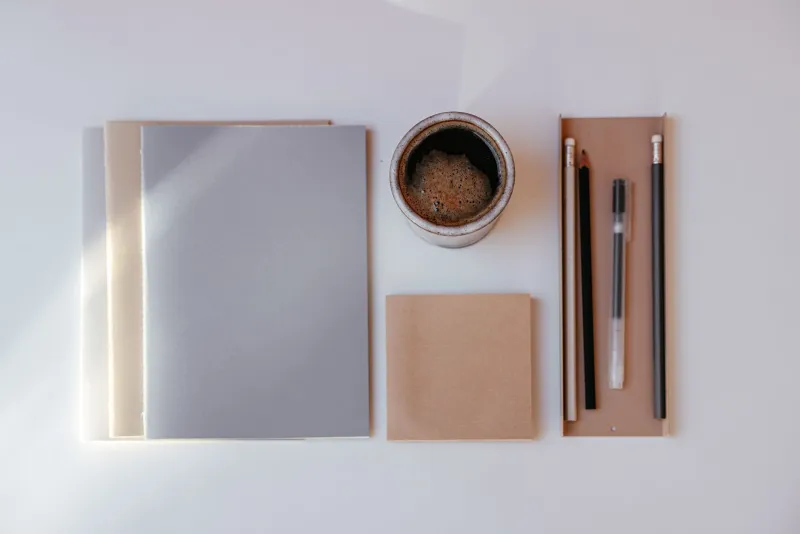
It usually starts with a pen. Or maybe a notebook. Someone picks it up in a Sapporo stationery shop, writes a few words on a sample pad, and feels something shift. The ink lays down differently. The paper doesn't bleed. The whole thing just works in a way that their go-to Pilot G2 back home never quite managed. By the time they leave Japan, they've checked a second bag and joined three subreddits.
Welcome to the Sapporo stationery rabbit hole. It's deep, it's extremely specific, and it has claimed more American travelers than you might expect.
Why Japanese Stationery Hits Different
This isn't just aesthetic preference, though aesthetics are definitely part of it. Japanese stationery culture has developed along a fundamentally different design philosophy than what dominates the US market. Where American office supplies prioritize convenience and cost efficiency, Japanese manufacturers have spent decades obsessing over the technical details: ink viscosity, nib smoothness, paper tooth, ink-to-paper interaction at a molecular level. That sounds excessive until you actually use a Pilot Iroshizuku ink on Tomoe River paper and understand what everyone was going on about.
The result is a category of products that perform noticeably better for anyone who writes by hand regularly — and that look significantly better for anyone who cares about that sort of thing. The color palettes on Japanese inks alone are worth the trip. Forget standard blue and black. The serious ink houses produce dozens of seasonal and regional colors, many of them tied to specific landscapes, historical references, or cultural moments. Hokkaido has inspired its own ink colorways: the blue-gray of winter skies over the Ishikari plain, the particular green of summer fields near Furano. You can't get those at Staples.
What Sapporo Specifically Offers
Tokyo has the flagship Itoya and the big Loft stationery floors, and they're worth visiting. But Sapporo has something Tokyo sometimes lacks: smaller, more curated shops where the staff actually use the products and have opinions about them. The city's stationery culture skews toward serious enthusiasts rather than casual shoppers, which means the inventory tends to be more interesting and the conversations more useful.
Look for shops in the Susukino and Odori areas that carry dedicated pen sections alongside their paper goods. The better shops will have ink sample stations — little pads where you can actually try a nib before committing. This is not a courtesy you're going to find at a US pen retailer, and it matters enormously when you're trying to figure out whether a particular nib width works with your handwriting.
Department stores like Marui and Daimaru Sapporo also carry strong stationery floors, and these are worth a stop for the sheer volume of product. But for the genuinely hard-to-find items — limited edition Hobonichi planners, specialty washi tape from small Kyoto producers, obscure fountain pen brands that don't export — the independent shops are where you want to spend your time.
The Products Worth Hunting
Fountain pens in the ¥3,000–¥15,000 range. This is the sweet spot that doesn't really exist in the US market. Back home, you jump from cheap student pens to expensive enthusiast territory with not much in between. Japanese manufacturers — Pilot, Sailor, Platinum — have filled that middle range with pens that write beautifully and last for decades. The Pilot Kakuno and the Platinum Preppy are entry points; the Sailor Pro Gear Slim and the Pilot Custom 74 are where things get genuinely serious.
Inks you can't get shipped to the US easily. Some Japanese ink brands don't have reliable US distribution, and others release regional or seasonal limited editions that never make it out of Japan. Buying ink in Sapporo is the direct route. Pack it carefully — ink in your checked luggage, not your carry-on — and bring more small bottles than you think you need.
Washi tape and decorative paper. This category has exploded globally, but the selection in a good Sapporo shop makes what's available on Etsy look like a preview. Washi tape here comes in textures, weights, and patterns that simply aren't exported at scale. It's lightweight, easy to pack, and makes an excellent gift for people back home who don't quite understand why you spent $200 on ink.
Notebooks and planners. Hobonichi Techo planners are the obvious target — and yes, buying them in Japan is both cheaper and gives you access to covers and accessories that don't make it to the US Hobonichi shop. But also look at Stalogy, Midori, and the various house-brand notebooks that Japanese stationery shops produce. The paper quality is consistently excellent.
Shopping Etiquette for the Stationery Shops
The vibe in a good Japanese stationery shop is calm and a little reverential. These aren't places where you grab and go. Take your time. Use the sample pads. If you're interested in a fountain pen, ask to try it — the staff expect this and will set you up without making it weird.
Many shops have English signage in the major product categories, and staff in Sapporo tourist-adjacent retail areas often have workable English. But knowing a few terms helps: mannenhitsu (万年筆) is fountain pen, inku is ink, techo is planner/notebook. Even attempting these gets you points.
Budget more time than you think you need. The stationery shops that are worth visiting are not quick stops. You will be there for a while. This is fine.
What Comes Home With You
The thing that surprises most American shoppers who go deep on Sapporo stationery is how fundamentally it changes their relationship with analog tools. People who hadn't written by hand since college find themselves keeping a daily journal. People who used to doodle on whatever scrap paper was nearby start buying dedicated sketchbooks. The tools are good enough that using them becomes its own reward.
That's not an accident. Japanese stationery culture has always understood something that American office supply retail mostly ignores: the quality of your tools shapes how you feel about the act of using them. Sapporo's shops are the best place outside of Tokyo to experience that firsthand — and the prices, particularly at the mid-range, are genuinely better than what you'd pay importing the same items to the US.
Bring an extra tote bag. You're going to need it.