The Drugstore Flex: Why Savvy Sapporo Shoppers Skip the Department Store Beauty Counters
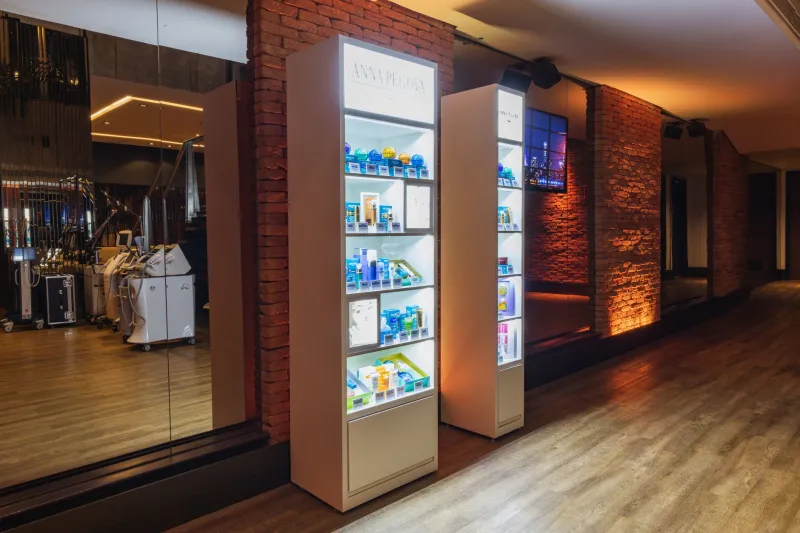
There's a well-worn script for beauty shopping in Japan. You walk into a department store, get directed toward a beautifully lit counter staffed by impeccably groomed attendants, and walk out with a small bag containing one or two items that cost roughly the same as a domestic flight. It feels luxurious. It feels like you're doing it right.
Here's the thing: you're probably not doing it right.
Sapporo's drugstore beauty scene—anchored by chains like Matsumotokiyoshi, Tsuruha Drug, and Sundrug—is stocked with products that outperform their price tags to a degree that genuinely surprises most first-time visitors. American beauty shoppers who've been conditioned to equate cost with quality tend to need a minute to recalibrate. But once they do, the haul they bring home looks very different from what they planned.
This is the case for going low-fi with your Sapporo beauty budget.
Why Japanese Drugstore Formulations Hit Different
Before getting into specific products, it's worth understanding why Japanese mass-market cosmetics punch above their weight globally.
Japanese cosmetic regulations and consumer expectations create a quality floor that's meaningfully higher than what American drugstores operate at. Ingredients are vetted more carefully. Formulation stability is treated as a baseline requirement, not a premium feature. And because Japanese consumers are notoriously demanding about texture, finish, and skin feel—while also being price-sensitive—brands like Hada Labo, Curel, and Canmake have spent decades engineering products that satisfy on every level without charging luxury prices.
Hokkaido adds another layer. The climate in Sapporo—cold, dry winters and relatively humid summers—has made the local consumer base particularly attentive to hydration and barrier function. Products that sell well in Sapporo have been tested, essentially, against one of the more demanding skin environments in Japan. That's not a bad quality filter.
The Products That Actually Earn the Carry-On Space
Not everything on the shelf is worth your luggage weight. Here's a curated breakdown by category, organized around what consistently impresses American shoppers who know their stuff.
Toners and Essences
Hada Labo Gokujyun Lotion is the product that converts skeptics. It's a hyaluronic acid toner with multiple molecular weights of HA, which means it hydrates at different layers of the skin simultaneously. The texture is slightly thick—more essence than watery toner—and it layers beautifully under moisturizer. A large bottle runs about 800-1000 yen. The US version exists but is a reformulated, less concentrated product. The Japanese original is worth specifically seeking out.
DHC Coenzyme Q10 Quick Gel functions as an all-in-one moisturizer, serum, and primer. It's been around long enough that it's easy to dismiss as old news, but the formula holds up. Particularly good for combination skin in variable climates.
Sunscreen
This is where Japanese drugstores genuinely embarrass the American market. Japanese sunscreen formulations use UV filters that aren't approved by the FDA for US products, which means the finish, texture, and wear of Japanese SPF products are categorically different—lighter, less white-cast, better under makeup.
Biore UV Aqua Rich Watery Essence and Anessa Perfect UV Sunscreen (the gold bottle) are the two most frequently recommended by beauty insiders. Both are widely available at Sapporo drugstores and both are difficult to replicate with American alternatives. Buy multiples. Seriously.
Makeup
Canmake is the brand that tends to generate the most genuine surprise. It's positioned as budget-friendly—most products are under 1,000 yen—but the formulations are sophisticated. Their cream cheek blushes blend effortlessly, their brow products last through a full Hokkaido winter day, and their pressed powders have a finish that American brands charge three times the price to replicate.
Majolica Majorca (Shiseido's affordable sub-brand) produces mascara and eyeliner that consistently outperforms mid-range American options. The lash fiber mascaras in particular have a dedicated following among American beauty enthusiasts who discovered them through Japanese beauty blogs.
Skincare for Dry and Sensitive Skin
Curel is the brand dermatologists in Japan recommend most frequently for compromised or reactive skin. The ceramide-based formulations are designed for the kind of barrier repair that Hokkaido winters demand. The moisturizing lotion and the intensive moisture cream are both worth picking up—they're fragrance-free, non-irritating, and available in sizes that are manageable for travel.
Rohto Melano CC (the Vitamin C serum and the spot treatment) has developed a cult following internationally for good reason. The concentration and stability of the Vitamin C in these products is higher than what you'd typically find at the same price point in the US.
Navigating the Shelves When You Can't Read Japanese
Sapporo's Matsumotokiyoshi locations are well-stocked and usually have some English signage in tourist-heavy areas, but you'll still encounter plenty of Japanese-only labeling. A few practical tips:
- Screenshot the product names in Japanese before you go. Google Translate's camera function works reasonably well for cosmetic labels but having the kanji ready to match against shelves saves time.
- Look for the English product name on the box. Most major brands print the product name in English somewhere on the packaging, even if the ingredient list is Japanese-only.
- Ask for help. Drugstore staff are generally very willing to assist, and pointing at a screenshot on your phone is universally understood.
What Survives the Flight (and What Doesn't)
Liquids and gels need to comply with TSA rules for carry-on, so anything over 3.4 oz needs to go in checked luggage. The good news: most Japanese drugstore products come in travel-friendly sizes, and many of the best serums and essences are under 100ml anyway.
Products that travel well: sheet masks (flat, no liquid spillage risk if sealed properly), pressed powders, lipsticks, cream blushes, sunscreen sticks.
Products to be careful with: glass-bottled toners (wrap individually), any pump-top bottles (tape the pump down or pack in a sealed bag).
The one category to avoid checking: anything in a pressurized container. Some Japanese hair products use aerosol packaging that isn't TSA-compliant regardless of size.
The Real Flex
Here's the honest summary: a $200 Sapporo drugstore haul will likely outperform a $200 department store purchase for most skin types and most use cases. The luxury counter experience is pleasant. The products are often excellent. But they're not categorically better than what's sitting on a Matsumotokiyoshi shelf for a fraction of the price.
The shoppers who figure this out early tend to dedicate more of their Sapporo beauty budget to the drugstore and spend the money they saved on something else entirely—like, say, a few bottles of limited-edition Hokkaido craft beer to bring home.