Skip the Reseller Tax: How Sapporo's Sneaker Community Trades Rare Grails on Its Own Terms
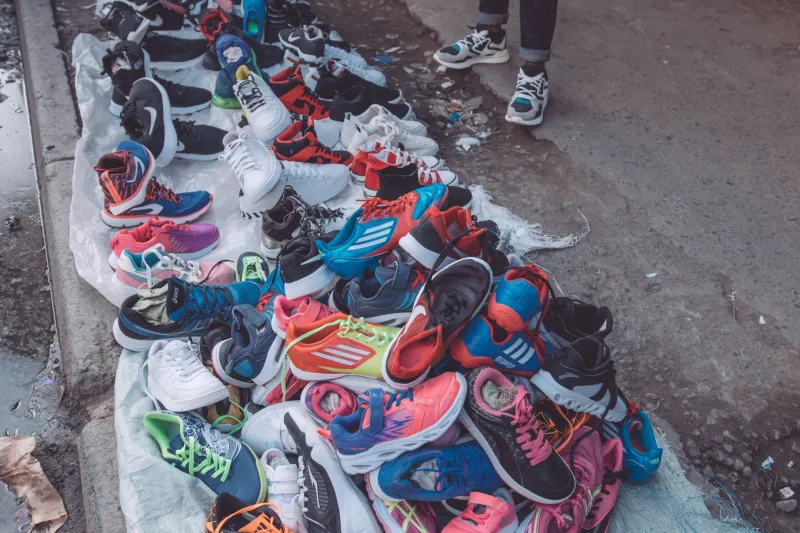
Let's be real: nobody likes paying resale prices. You find a pair you've been hunting for months, pull it up on a major platform, and the markup alone is enough to make you close the tab and walk away. In Tokyo, that's often just the cost of doing business. But spend a little time in Sapporo, and you'll start to notice something different happening — something quieter, more community-driven, and honestly a lot more interesting.
Sapporo's sneaker collectors have built something that doesn't get much press outside Hokkaido. It's a grassroots trading ecosystem where rare kicks change hands between real people, at prices that actually make sense, without a middleman eating half the margin. If you're visiting from the States and you've got even a passing interest in sneakers, this is the scene you need to know about before you land.
How It Started (And Why Sapporo Was the Right City for It)
Sapporo has always had a slightly different relationship with consumer culture than Tokyo or Osaka. The city is big enough to have serious retail infrastructure — major department stores, dedicated sneaker shops, and a healthy collector base — but it's also geographically removed from the capital's hype machine. That distance created something useful: a community of collectors who had to figure out how to trade with each other, because flying to Tokyo every time a limited drop hit wasn't exactly practical.
Over time, those informal connections evolved into something more structured. Group chats, local forums, and word-of-mouth networks became the backbone of a peer-to-peer sneaker economy that now operates entirely parallel to official retail channels. Collectors know each other. Trust gets built. And deals happen that you'd never find on StockX or even Japan's major resale apps.
The Swap Meet Circuit
If you want to see this ecosystem in action, the place to start is Sapporo's rotating swap meet scene. These aren't the dusty flea markets you might be picturing. They're curated, often themed events — sometimes organized around a specific brand or era, sometimes just a general collector meetup — where participants bring their personal stock, set up at tables, and trade directly with whoever shows up.
These events pop up in community halls, rented event spaces, and occasionally the back rooms of independent shops. They're usually announced through local SNS channels and LINE groups, which means getting plugged in requires a little legwork. But for American visitors, that legwork is absolutely worth it. Prices at these events reflect what Japanese collectors actually value — not what an algorithm thinks a pair is worth based on global resale trends. That gap can be significant, especially on older Nike and Adidas releases that have ballooned in price internationally but haven't seen the same inflation locally.
Peer-to-Peer Platforms With a Local Flavor
Beyond in-person events, Sapporo's sneaker community does a lot of business through platforms that cater specifically to Japanese buyers and sellers. Mercari and Yahoo! Auctions are the big two, and while they're nationwide, savvy Sapporo collectors have learned to use location filters and timing to their advantage. Listings from Hokkaido-based sellers often move slower than Tokyo listings — simply because the buyer pool is smaller — which means motivated sellers price more aggressively.
There's also a layer of community-specific trading that happens in closed groups. These aren't publicly listed platforms; they're invite-only spaces where members have already established credibility. Getting into these circles as a visitor is admittedly tougher, but it's not impossible. Showing up to a couple of swap meets, being respectful, and demonstrating genuine knowledge goes a long way. Japanese sneaker culture values authenticity — if you know your stuff and you're not there to flip for a quick profit, people notice.
What's Actually Moving in Sapporo Right Now
The inventory in Sapporo's peer-to-peer market skews a little differently than what you'd find in Tokyo. Vintage New Balance, particularly made-in-USA and made-in-England models, moves well here — Hokkaido collectors have long had a taste for understated, quality-focused footwear that fits the region's outdoor-leaning aesthetic. Older ASICS GEL models are another consistent presence, often in colorways that never made it to the US market. Nike ACG and trail-adjacent silhouettes also show up regularly, which makes sense given Sapporo's proximity to serious mountain terrain.
On the more hype-adjacent side, Jordan 1s and Dunk lows are always in circulation, though the community tends to favor older releases over recent drops. If you're hunting specific colorways from the early 2000s, Sapporo's collector network is a genuinely strong place to look.
Practical Tips for American Shoppers
A few things worth knowing before you dive in:
Language matters, but it's not a dealbreaker. Most active traders in Sapporo's sneaker community don't speak fluent English, but sneaker culture has its own universal vocabulary. Size numbers, model names, and condition grading (DS, VNDS, beaters) are understood across language barriers. Google Translate on your phone will handle the rest.
Cash is king at swap meets. Don't show up expecting to tap your card. Bring yen in smaller denominations and be prepared to negotiate — politely. Aggressive haggling isn't really the vibe, but making a reasonable counter-offer is totally normal.
Know your sizing before you go. Japanese sizing conventions can differ from US standards depending on the brand. Do your homework on specific models you're hunting so you're not second-guessing yourself when you're standing in front of a pair.
Condition grading is taken seriously. Japanese sellers are generally meticulous about disclosing flaws, and that honesty is one of the things that makes peer-to-peer trading here work so well. Respect that standard by being equally upfront if you're bringing anything to trade.
Why This Scene Matters Beyond the Sneakers
Honestly, what makes Sapporo's sneaker trading culture worth paying attention to isn't just the deals — though the deals are real. It's the way the community has organized itself around something other than profit. In a global sneaker market that's increasingly dominated by bots, resellers, and speculative flipping, Sapporo's scene feels like a reminder that this stuff started as a passion between people who genuinely loved shoes.
For American visitors, it's also one of the most accessible entry points into Sapporo's broader collector culture. Sneakers are a universal language, and showing up with genuine enthusiasm and a little knowledge is usually enough to get a conversation started. From there, who knows what else you'll discover.