Gear Hunters, Head North: Sapporo's Underground Music Equipment Scene Is Worth the Flight
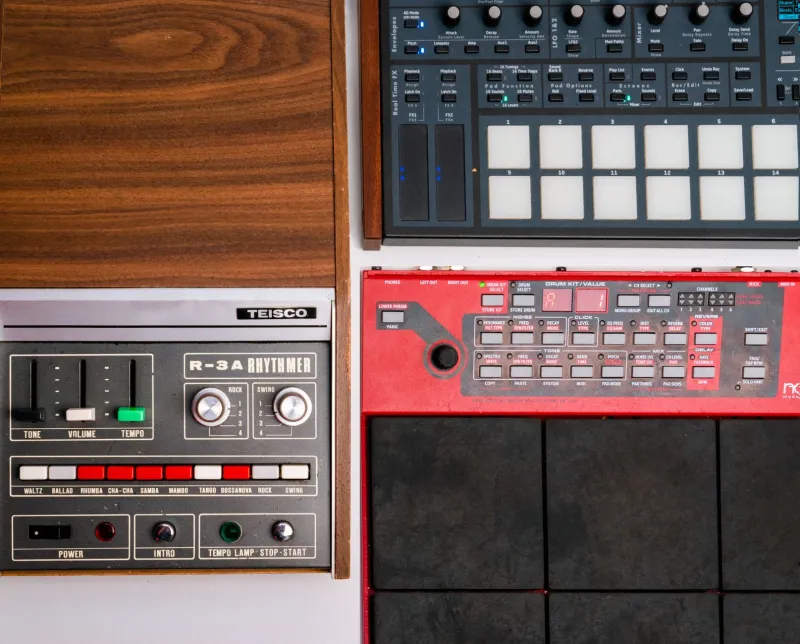
There's a particular kind of person who books a flight to Japan with a carry-on sized specifically to fit a synthesizer. If you know, you know. And increasingly, that person is skipping Tokyo's Ochanomizu district and heading straight to Sapporo.
Hokkaido's capital has been quietly building one of Japan's most compelling music equipment ecosystems — a loose network of vintage gear dealers, boutique luthiers, and independent electronics shops that cater to working musicians and obsessive collectors alike. It doesn't have Tokyo's density, but that's kind of the point.
Why Sapporo, and Why Now
The short answer: less competition, better prices, and dealers who actually want to talk to you.
In Tokyo, the Ochanomizu and Akihabara gear circuits are well-mapped by international buyers. Prices have adjusted accordingly. Dealers in those neighborhoods know exactly what a '73 Roland SH-1000 fetches on Reverb, and they've priced their stock to match. Sapporo operates on a different rhythm. The city's gear shops serve a local market first — working musicians, studio owners, Hokkaido-based producers — which means international buyers who make the trip often find pricing that hasn't been inflated by global demand.
There's also the collector community to consider. Sapporo has a long, underappreciated history of music culture. The city produced a disproportionate number of influential Japanese rock and electronic artists starting in the 1970s, and that legacy left behind a deep well of vintage gear that's been quietly cycling through the local secondhand market for decades.
What You'll Actually Find
Let's get specific, because that's what gear hunters care about.
Vintage synthesizers are the headline item. Sapporo shops regularly stock early Roland and Korg units — the SH series, the MS-20, the Juno line — alongside rarer Yamaha CS models that rarely surface in American stores. Condition varies, as it always does in secondhand markets, but the better shops do basic servicing before putting gear on the floor. Don't be surprised to find units that have been well-maintained by local studio owners who upgraded their rigs and traded in rather than selling online.
Boutique guitar makers are another draw. Hokkaido has a small but serious community of luthiers building custom and semi-custom instruments. Some operate out of workshop-storefronts where you can watch the build process, ask questions, and commission something specific. The aesthetic tends toward clean, functional Japanese craft — nothing flashy, everything deliberate. American players who've picked up Sapporo-built acoustics consistently mention the quality of the tonewoods, which benefit from Hokkaido's forestry heritage.
Handwired and boutique amplifiers round out the scene. A handful of Sapporo-based builders have developed local followings for their small-batch tube amp builds — think Fender-influenced cleans and Marshall-derived drive circuits executed with Japanese precision. These aren't widely exported, which is exactly why finding one in person feels like a score.
Navigating the Shops
Sapporo's music gear scene isn't concentrated in a single district the way Tokyo's is. You'll need to do some legwork, and that's part of the experience.
The Susukino and Odori areas have the highest density of used music shops, ranging from large secondhand chains to genuinely independent operations run by one or two people. The chains are worth checking for volume — they move a lot of stock and prices are often marked down on items that have been sitting — but the independents are where you'll find the most interesting pieces and the most knowledgeable staff.
A few practical tips:
- Go on weekdays. Weekend traffic is higher and staff have less time to dig through stock with you or answer questions.
- Bring a translator app. Most shop staff won't be fluent in English, but they're generally patient and appreciate the effort to communicate. Google Translate's camera function handles most signage and price tags.
- Budget for shipping. If you find something too large to carry, most shops can arrange domestic shipping to a Tokyo hotel or international forwarding through a third-party service. Ask at the counter.
- Don't lowball aggressively. Japanese retail culture is not a negotiation-heavy environment. Polite interest and patience will get you further than haggling.
The Collector Mindset
Talk to anyone who's done a Sapporo gear run and the same thing comes up: the city rewards curiosity over efficiency. You're not going to walk into a single shop and fill a list. You're going to wander, make unexpected finds, and leave with something you didn't know you were looking for.
That's a different kind of shopping experience than most Americans are used to, and it's genuinely part of what makes Sapporo worth the trip. The gear is real, the prices are better than you'd expect, and the city itself — the food, the atmosphere, the sheer difference from anywhere else you've shopped — makes the whole thing feel like more than just a purchase.
If you've been planning a Japan trip and wondering whether to extend it north, the answer from the gear-hunting community is increasingly clear: yes, and go specifically for the music shops. You won't regret the detour.