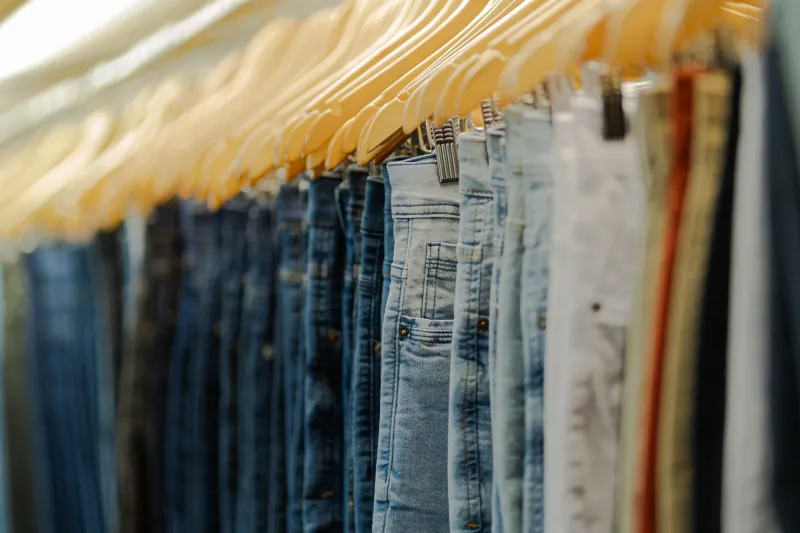
Less Is More, Hokkaido-Style: Inside Sapporo's Design Shops Where Every Object Earns Its Place
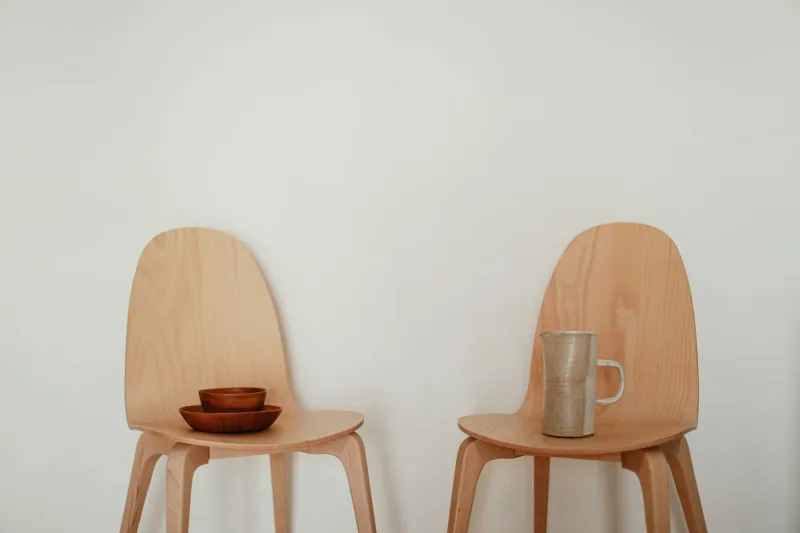
Walk into most American home stores right now and you'll find the same story: shelves packed with decorative objects that don't do anything, furniture styled for Instagram rather than actual living, and a general philosophy that more is always better. Sapporo's independent design shops are selling the exact opposite—and once you've spent a few hours inside them, it's genuinely hard to go back.
This isn't about aesthetics for aesthetics' sake. The Japanese concept of ma (間)—the meaningful use of negative space—runs through virtually everything sold in Sapporo's best design-focused retailers. So does mono no aware, a sensitivity to the transience of things that shapes how objects are made, displayed, and used across seasons. You won't find these ideas explained on a placard. You'll just notice that every item in the room seems to belong there, and nothing else does.
Why Sapporo? Why Now?
Tokyo gets all the design press, but Sapporo has quietly built a retail ecosystem that rewards slower, more considered shopping. The city's relative isolation from Japan's southern fashion hubs means local shop owners have developed genuinely independent taste. They're not chasing what Daikanyama is doing this season. They're stocking what makes sense for Hokkaido life: objects designed to function through brutal winters, textiles that layer beautifully, shelving systems built to hold things rather than just display them.
There's also a price reality that Tokyo can't match. Design objects that would carry a significant markup in a Minami-Aoyama boutique often sit at more approachable prices in Sapporo simply because the retail overhead is lower and the customer base is local rather than tourist-facing. For American shoppers accustomed to paying a premium for anything labeled "Japanese design," this comes as a genuine surprise.
The Shops Worth Knowing
Craft and material stores near Odori tend to stock the most interesting handmade textile work—think linen throws produced by Hokkaido weavers using regional fibers, or wool blankets dyed with natural pigments that shift subtly depending on the light. These aren't souvenirs. They're functional objects with a working life measured in decades rather than seasons. Staff at these shops can usually walk you through the maker's process if you ask, which is half the point.
Sapporo's furniture and shelving specialists—particularly those clustered around the Kita district—are worth a full afternoon. Japanese joinery techniques produce pieces that American flat-pack culture has essentially abandoned: dovetail joints, mortise-and-tenon construction, surfaces finished with natural oils rather than synthetic lacquers. A well-made Japanese shelf doesn't just hold your books. It gets better-looking as it ages.
For ceramics and tableware, the city's artisan workshop-adjacent retail spaces (some of which double as studio storefronts) stock pieces made by Hokkaido potters working in the mingei tradition—folk craft elevated through attention to daily use rather than gallery display. A bowl that feels right in your hand at breakfast is the whole idea. You won't find that philosophy in a Williams-Sonoma.
What Americans Usually Miss
The tendency when shopping Japanese design as an outsider is to reach for the most visually striking piece in the room—the item that photographs well or reads as "Japanese" to a Western eye. Sapporo's shop owners will gently redirect you if you let them. The best pieces are often the quietest ones: a wooden tray with a single routed groove along its edge, a ceramic cup whose glaze breaks differently near the foot, a textile whose pattern only reveals itself in raking afternoon light.
This is where having even a basic conversation with staff pays off. Most of Sapporo's serious design retailers employ people who genuinely care about the objects they're selling, and many have some English capability or are used to working through translation apps with international customers. Ask about the maker. Ask about the material. Ask what the piece is for. The answers will change what you buy.
The Seasonal Dimension
One thing American home retail almost entirely ignores is the relationship between objects and time of year. In Sapporo, this is embedded in how shops are stocked and displayed. Winter brings heavier textiles, darker ceramics, objects designed for warmth and enclosure. Summer lightens everything—thinner linens, cooler glazes, pieces that work on open shelving when windows are thrown wide.
If you're visiting in the colder months (which, in Hokkaido, means roughly October through April), you'll find the winter rotation in full effect: thick wool throws, cast-iron accessories, wooden pieces with a weight and warmth that genuinely make sense when there's a meter of snow outside. Shopping in that context clarifies what you actually want versus what you thought you wanted before you arrived.
Packing Strategy for the Design-Minded Shopper
Textiles are your best friend here. They compress, they don't break, and Hokkaido-made woven goods are exactly the kind of thing that doesn't exist in the American market at any price. A linen throw or a set of handwoven placemats will survive checked luggage without drama and will look better on your table than anything you'd find at a domestic home goods chain.
Ceramics require more planning. Most of Sapporo's design shops are experienced at wrapping fragile pieces for travel—ask, and they'll usually go well beyond the standard bubble wrap. A single well-chosen cup or small bowl is worth the careful packing. A full set is an ambitious project, but doable if you're committed.
For larger pieces—shelving, furniture, anything structural—shipping is genuinely an option, and several Sapporo retailers have experience with international freight. It's not cheap, but a piece of Hokkaido joinery furniture that will last forty years has a different cost-per-use calculation than anything you'd buy at a domestic furniture chain.
The Takeaway
Sapporo's design retail scene isn't selling you a look. It's selling you a relationship with objects—one built on use, season, and the kind of quiet satisfaction that comes from owning fewer things that work better. For American shoppers who've grown weary of fast furniture and disposable décor, that's not just a shopping trip. It's a perspective shift that tends to follow you home.