Thread Count: The Fabric Obsessive's Case for Adding Sapporo to Every Making Trip
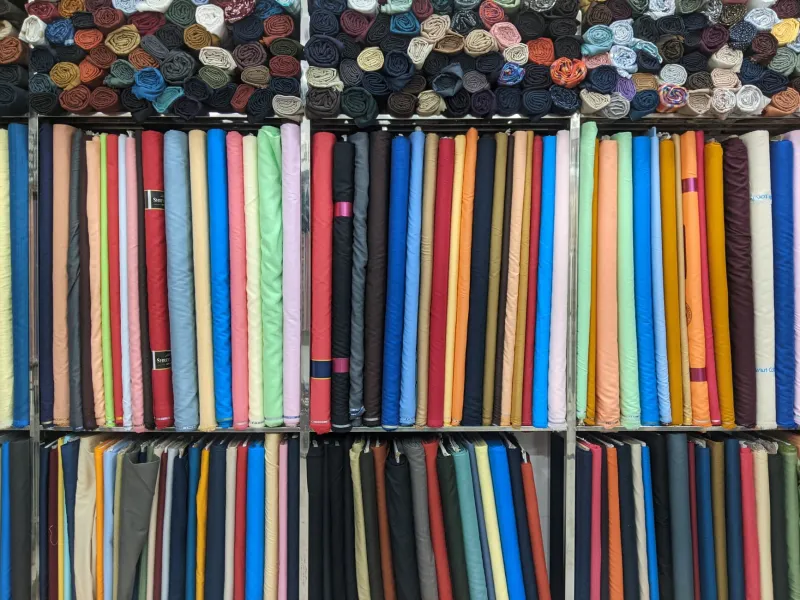
Most people think of Sapporo and picture snow, seafood, and maybe a very good beer. Textile sourcing doesn't typically make the shortlist. That's a gap worth closing, because the city's fabric scene — rooted in Hokkaido's long history of fiber production and modernized by a generation of independent makers — is genuinely one of the most interesting in Japan for anyone who works with cloth.
A Heritage That Still Shows Up on the Shelf
Hokkaido's textile story starts with necessity. The island's agricultural development in the Meiji era created demand for durable, functional fabrics suited to a cold, demanding climate. Wool processing, linen cultivation, and industrial weaving all established footholds here earlier than most of mainland Japan, and the infrastructure that grew up around those industries didn't disappear — it evolved.
Today, some of Hokkaido's regional mills still operate, producing fabrics that carry that functional DNA: densely woven, built for durability, often undyed or minimally processed. You won't find these textiles in American fabric stores, and you'll rarely encounter them even in Tokyo's Nippori Fabric Town, which tends to stock materials oriented toward fashion rather than utility. Sapporo's independent cloth shops source directly from these regional producers, which means the selection reflects Hokkaido's actual manufacturing heritage rather than a curated version of it.
What's Actually on the Shelves
The range across Sapporo's fabric shops is wider than you'd expect for a city this size.
Linen is a standout category. Hokkaido-grown and processed linen has a texture and weight that differs noticeably from European or Chinese equivalents — slightly coarser in the best way, with a natural variation in the weave that improves with washing. Garment makers who've worked with it tend to become devoted to it. It's the kind of material that makes a simple shirt feel considered.
Wool and wool blends reflect the island's pastoral history. Several shops stock undyed fleece-weight wools alongside finished suiting and coating weights, some sourced from small Hokkaido farms. For American makers accustomed to Italian or British wool being the default premium option, Hokkaido wool is a genuine revelation — different in character, not inferior.
Experimental natural fibers are where things get interesting for the more adventurous sourcer. A handful of Sapporo shops have developed relationships with small-scale producers working with plant fibers native to or adapted for Hokkaido's climate — nettles, hemp varieties, and mixed-fiber experimental textiles that exist essentially outside the commercial supply chain. These aren't always available in large quantities, but for small-batch garment makers, that's not a problem.
Indigo and natural dyes deserve their own mention. The natural dyeing community in Sapporo is small but active, and several fabric shops stock both undyed base cloths specifically suited for natural dyeing and pre-dyed fabrics in ranges you won't encounter in conventional retail. The color palette tends toward deep, complex tones — the kind that photograph well and age even better.
The Contemporary Making Scene
What gives Sapporo's textile shops their energy isn't just heritage stock — it's the community using them.
The city has developed a quiet but serious maker culture over the past decade. Independent fashion designers, quilters, upholsterers, and costume makers all source locally, and the shops have responded by stocking materials that serve a range of disciplines rather than just dressmaking. You'll find heavy canvas and waxed cloth alongside fine cotton voile, all in the same store, because the customer base demands variety.
Some shops have moved toward a studio-retail hybrid model — part fabric store, part workspace, with cutting tables available and occasional workshops on natural dyeing or weaving techniques. For visiting makers, these spaces offer something beyond a transaction. You can spend an afternoon working with the fabric before committing to a purchase, which is genuinely useful when you're sourcing something unfamiliar.
Practical Notes for International Shoppers
A few things worth knowing before you go:
Fabric is heavy. Budget your luggage accordingly, or plan to ship. Most shops can arrange packing and domestic forwarding. International shipping from Japan is reliable but adds cost, so factor that into your sourcing math.
Measurements are metric. Japanese fabric is sold by the meter. If you work in yards, a quick conversion (1 yard ≈ 0.91 meters) will save confusion at the counter.
Samples are often available. Don't hesitate to ask for a small cutting before committing to a larger purchase. This is standard practice and shops expect it.
Bring references. If you're sourcing for a specific project, photos of your intended use, color swatches, or weight references will help staff point you toward the right materials even across a language gap.
Why It's Worth Prioritizing
Sapporo doesn't compete with Tokyo on volume — Nippori Fabric Town covers more ground in a single afternoon than Sapporo's entire fabric district. But volume isn't the point. What Sapporo offers is specificity: materials that reflect a particular place, a particular climate, and a particular approach to making things that last.
For American designers and makers who've been sourcing from the same domestic suppliers for years, that kind of specificity is exactly what a sourcing trip should deliver. The fabrics you bring home from Sapporo won't look like anything else in your collection — and neither will the things you make from them.