Why Smart Shoppers Are Booking Sapporo Trips in July and August
Here's the thing about Sapporo that the winter crowd doesn't talk about: the shopping gets genuinely better once the snow melts. Not because the stores change — though some do — but because the sales calendar kicks into gear in a way that turns already-reasonable Japanese retail prices into something that borders on absurd value for visitors from the US.
Japan has two major clearance cycles per year. The summer one, running roughly from late June through August, is arguably the better of the two for international shoppers. The timing aligns with Sapporo's most pleasant weather, the city is less crowded than during the Snow Festival months, and the discounts across apparel, housewares, and specialty retail are significant enough to justify building a trip around them.
If you've been treating Sapporo as a cold-weather-only destination, this is the article that's going to reframe that.
How Japan's Sales Calendar Works
Japanese retail runs on a seasonal rhythm that's more structured and predictable than what most Americans are used to. The two big clearance events are natsu no sale (summer sale) and fuyu no sale (winter sale), and unlike the chaotic, discount-stacking chaos of an American Black Friday, these events tend to be organized, clearly signed, and genuinely discounted rather than inflated-then-reduced.
Summer sales typically launch in late June or early July, immediately following the end of the rainy season in most of Japan. In Hokkaido, which doesn't experience the full force of the rainy season the way Honshu does, the timing is slightly more variable but generally consistent with the national calendar. By mid-July, most major retailers and many independent shops are running clearance on spring and early summer inventory.
The first week of sales tends to offer the best selection with already-solid discounts. By early August, discounts deepen but inventory thins. The strategic move depends on your priorities: do you want the widest selection at 30–40% off, or are you willing to dig through picked-over racks for 50–70% reductions?
Department Stores: Where the Volume Is
Sapporo's department stores — Daimaru, Mitsukoshi, Marui — are the anchor of the summer sale season. These aren't clearance racks tucked in a corner; entire floors get reorganized around the sale event. Signage is clear (often bilingual in tourist-heavy areas), and staff are accustomed to helping international shoppers navigate the discounts.
What's worth targeting here? Apparel is the obvious answer, and it's a good one. Japanese sizing can be a challenge for some American shoppers, but the department stores carry a broader size range than many independent boutiques, and the quality-to-price ratio on Japanese-made clothing during a summer clearance is genuinely hard to match. Look at the housewares and kitchen floors too — these see significant markdowns on items that don't carry the fashion-cycle urgency of clothing but are still being rotated out for new inventory.
The depachika (basement food halls) don't run the same kind of clearance as the upper floors, but they do offer end-of-day markdowns on prepared foods and perishables that are worth knowing about if you're there in the late afternoon.
Independent Boutiques and Specialty Shops
The clearance culture in Sapporo's independent retail scene is a little different from the department store version. Smaller shops tend to run their sales on their own schedule, and the discounts are sometimes less dramatic — but the inventory is often more interesting.
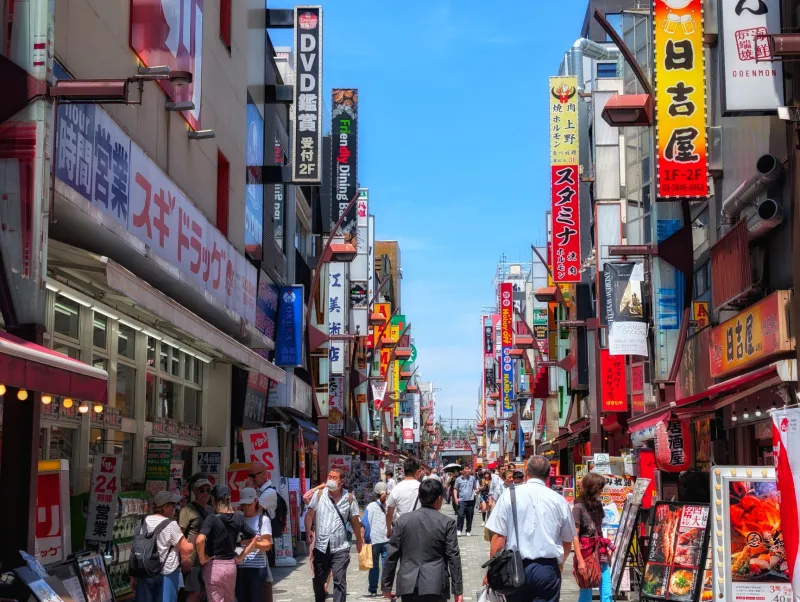
Boutiques in the Tanuki Koji shopping arcade and the surrounding streets are worth a dedicated walkthrough during sale season. This covered arcade, running through central Sapporo, houses a mix of established local retailers and smaller independents, and the proximity means you can cover a lot of ground without fighting the summer heat (Sapporo's summers are mild by Japanese standards, but still warm enough to appreciate shade).
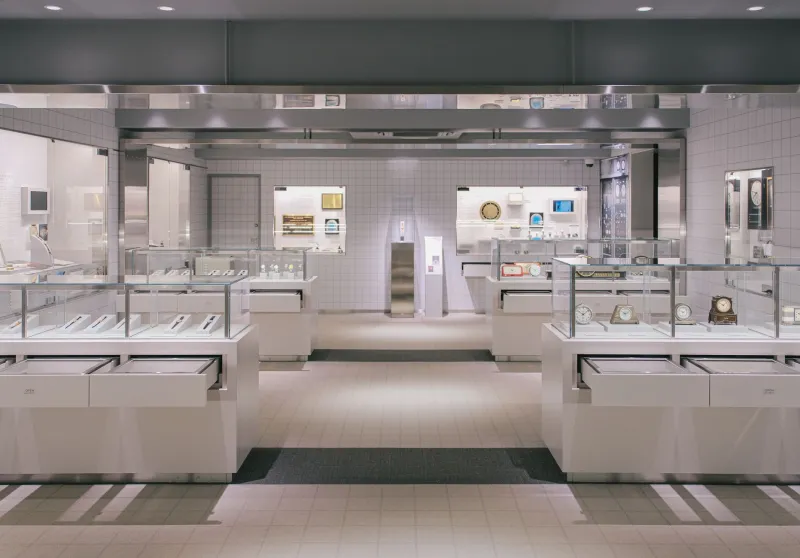
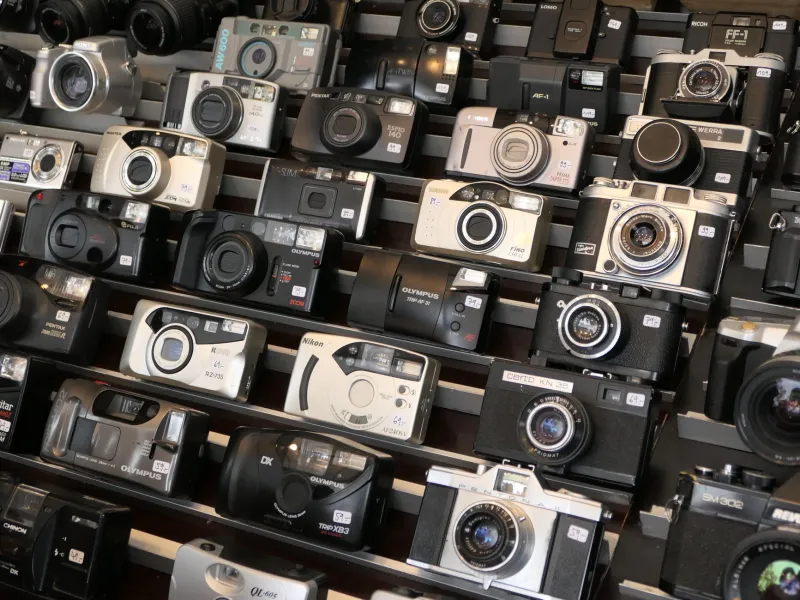
For specialty categories — watches, stationery, outdoor gear, audio equipment — the summer sale timing is particularly useful. Japanese consumers are deliberate about these categories, which means clearance inventory is often in excellent condition rather than the picked-over mess you'd find in a US electronics clearance bin. Patience and early arrival in the sale period are your best tools here.
The Product Categories Worth Prioritizing
Outerwear and winter technical gear. This sounds counterintuitive in summer, but it's one of the best plays in the Sapporo sale calendar. Hokkaido retailers stock serious cold-weather gear — the kind built for actual Sapporo winters, not the decorative puffer jackets that pass for winter coats in California — and by July, they're moving it out to make room for fall inventory. The discounts on technical outerwear can be substantial, and you're buying gear that will actually perform when winter hits back home.
Japanese fashion and streetwear. The summer clearance is when independent labels that don't export their excess inventory to secondary markets put their remaining pieces on deep discount. For shoppers who've been eyeing Japanese streetwear at full price, this is the window.
Housewares and kitchen goods. Japanese kitchen tools are already a strong value proposition (see our previous coverage on Sapporo's cookware scene), and sale season pushes that value further. Cast iron, ceramics, knives — these categories see genuine clearance pricing during the summer event.
Electronics and audio. Japan-domestic electronics that don't make it to US retail channels show up in summer clearance at prices that make the import math very favorable. Know what you're buying in terms of voltage compatibility before you pull the trigger.
Navigating Sales Culture Differently Than at Home
A few things American shoppers get wrong about Japanese sale season:
Don't expect to negotiate. The price on the tag is the price. The discount has already been applied. Attempting to bargain further — which might be reasonable at a US flea market or even some American retail situations — is awkward and ineffective here.
Lines are real and orderly. Some popular sale events, particularly at department stores on opening day, involve actual queues. Respect them. Cutting or crowding is genuinely offensive in this context.
Returns are limited. Japanese retail has more restrictive return policies than American consumers are used to, and sale items are frequently final sale. Know what you want before you buy it.
Tax refunds still apply. Tourist consumption tax refunds are available on qualifying purchases regardless of whether the item is on sale. This is free money — make sure you're using it by shopping with your passport and asking about the tax-free process at each retailer.
The Case for a Summer Trip
Sapporo in summer is genuinely lovely. The lavender fields are blooming in nearby Furano. The beer garden season is in full swing (Sapporo's outdoor beer gardens are a summer institution worth experiencing entirely apart from the shopping). The city is comfortable, navigable, and significantly less crowded than it gets during the Snow Festival.
Layering a serious sale-season shopping strategy on top of that makes for a trip that's hard to argue with. The deals are real. The weather is good. The competition from other international shoppers — who are mostly still booking Sapporo in February — is minimal.
The locals already know this. Now you do too.