Tick, Tick, Score: How Sapporo's Independent Watch Dealers Became a Collector's Best-Kept Secret
There's a specific kind of frustration familiar to anyone who's walked into an authorized watch dealer in the US and asked to see something they actually want. The polite brush-off. The waiting list that doesn't really exist. The sense that unless you're already spending six figures a year with them, your business is tolerated rather than welcomed. Sapporo doesn't do that.
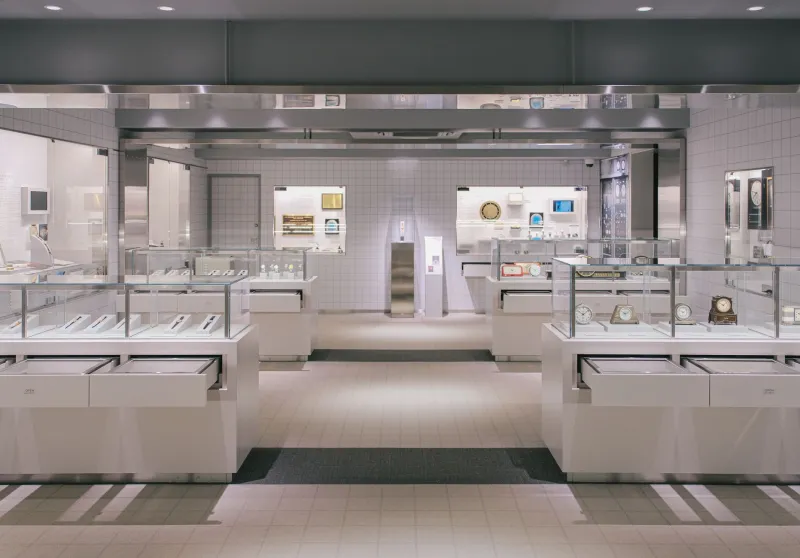
Japan's fifth-largest city has built a quiet but serious reputation among watch collectors who've done their homework. The independent dealers here — tucked into multi-tenant watch buildings, operating out of small storefronts near Odori, or running curated inventory from what looks like a glorified closet — are a different breed entirely. They know their stock. They know their customers. And increasingly, they know that Americans are flying in specifically to shop with them.
Why Sapporo and Not Tokyo?
Tokyo gets all the attention. Ginza has the flagship boutiques. Akihabara has the electronics. But the Tokyo watch scene has gotten expensive, competitive, and frankly a little exhausting. Prices on sought-after references have crept up as international collectors have piled in, and the dealers in Shinjuku and Shibuya know exactly what they have.
Sapporo operates at a different pace. The market is local-first, which means pricing still reflects what Japanese collectors are actually willing to pay rather than what a tourist from New York or LA might absorb. Overhead is lower. Competition between dealers is real. And because Hokkaido isn't on most collectors' radar yet, inventory turns more slowly — which sounds like a problem until you realize it means watches sit on shelves long enough for you to find them.
The city also benefits from proximity to a serious collecting culture. Hokkaido has a well-educated, relatively affluent population with a genuine appreciation for craftsmanship. Watches — especially Japanese-made pieces — are treated with the same reverence here that bourbon collectors might apply to a limited single barrel back home.
The Grand Seiko Situation
If you've been paying attention to the watch internet over the last five years, you already know Grand Seiko has had a moment. What started as a collector's insider tip has become a mainstream flex, and US prices on desirable references have followed accordingly. The Spring Drive models in particular — those hauntingly smooth-sweeping hands, those dials that look like they were painted by someone who takes seasonal light personally — are increasingly hard to find at honest prices stateside.
In Sapporo, the calculus is different. Independent dealers here often carry Grand Seiko references that simply don't make it to American gray market supply chains. Some are Japan-domestic models that were never intended for export. Others are older references from the 1990s and early 2000s that have aged beautifully but haven't been "discovered" by the algorithm yet. Prices vary, but it's not unusual to find pieces trading at 20 to 30 percent below what you'd expect to pay through a US reseller — and that's before you factor in the consumption tax refund available to tourists on purchases over a certain threshold.
The etiquette matters here: don't walk in asking to "flip" something. These dealers are selling to people who are going to wear the watch, and they can tell the difference.
Navigating the Independent Dealer Scene
Sapporo's watch shops aren't clustered in one obvious district the way some retail categories are. Part of the fun — and part of the challenge — is the hunt. A few general principles:
Do your research before you go. Show up knowing what you're looking for, at least broadly. Walking in and saying "I like watches" is a dead end. Walking in and asking about a specific reference, or expressing genuine interest in a category like early quartz Japanese pieces or Swiss manual-winds from the 1970s, opens a completely different conversation.
Bring cash, or be prepared to use it. Many independent dealers accept credit cards, but cash transactions are smoother and occasionally create room for negotiation that a card swipe doesn't. This isn't universal, but it's common enough to be worth knowing.
Slow down. American shopping culture is transactional. Japanese watch retail culture is relational. The dealers who have the best stuff are often the ones who want to talk about the watch before they sell it. Let them. You'll learn something, and you might get shown inventory that isn't on display.
Use a translation app, but don't hide behind it. Making a genuine effort to communicate — even badly — goes a long way. Most dealers in the collector-focused shops have enough English to handle the basics, but showing respect for the interaction matters.
Vintage Watches and What the Market Actually Looks Like
Beyond Grand Seiko, Sapporo's independent scene covers a surprisingly wide range. Vintage Seiko from the 1960s and 70s — the 5 series, the Sportsmatic, the early divers — shows up regularly and tends to be well-serviced. Dealers here take condition seriously; you're unlikely to encounter the kind of "honest patina" euphemisms that plague Western vintage markets.
Swiss pieces appear too, though with less frequency. When they do, they tend to be watches that came into Japan through the postwar trade networks — pieces that were bought by Japanese businessmen traveling to Europe and then passed down or sold off decades later. The provenance is often unverifiable, but the watches themselves are real, and the pricing can be remarkable.
Casio and Citizen also have their advocates here, and if you've been sleeping on vintage Citizen — particularly the early chronographs — a trip to Sapporo's independent dealers might be the wake-up call your collection needs.
Making the Most of the Trip
Build at least a half-day into your Sapporo itinerary specifically for watch shopping. The shops worth visiting aren't all in the same neighborhood, and rushing through this scene is its own kind of waste. Bring a loupe if you have one — it signals seriousness. Leave room in your carry-on for a box or two. And absolutely check the current tourist tax refund thresholds before you go, because on a significant purchase, that refund is real money.
Sapporo rewards the collector who comes prepared and slows down enough to actually engage with the scene. The watches are there. The prices are real. The dealers are good. You just have to show up.