The Kitchen Nerd's Pilgrimage: What Sapporo's Cookware Shops Stock That America Simply Can't Match
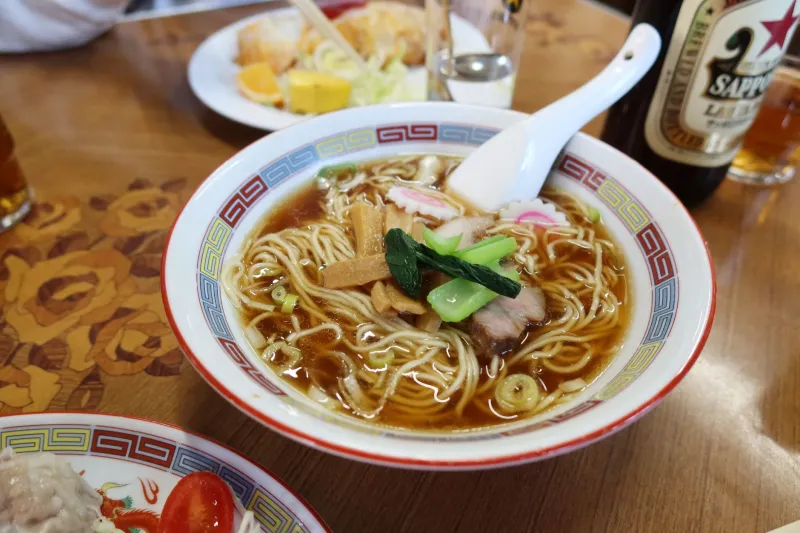
Let's be honest: most of us come back from Japan with omiyage snacks and a suitcase full of skincare. But there's a quieter, nerdier category of traveler who's been doing something smarter — raiding Sapporo's kitchenware shops and flying home with equipment that completely changes what they're capable of cooking.
Sapporo isn't just a ramen city. It's a city that takes ramen seriously, which means the infrastructure around making it — the pots, the strainers, the noodle tools, the ladles — exists at a level you're not going to find at Williams Sonoma or even on the more obscure corners of Amazon. If you cook, and especially if you're obsessed with Japanese food, budgeting a few hours (and a chunk of your luggage allowance) for Sapporo's kitchenware scene is one of the smartest decisions you can make.
Why Sapporo Specifically?
Tokyo has Kappabashi, the famous "Kitchen Town" that gets all the food media attention. And yeah, it's great. But Sapporo has something a little different going on. Because the city's food culture is so deeply tied to specific regional dishes — miso ramen, Jingisukan lamb barbecue, fresh seafood from the surrounding Hokkaido coast — the cookware shops here stock tools that are calibrated to those techniques. You're not browsing a generalist culinary store. You're walking into shops where the inventory has been shaped by decades of professional kitchen culture in one of Japan's most food-obsessed cities.
That specificity is exactly what makes it worth your time.
What to Actually Look For
Ramen-Specific Pots and Ladles
If you've been making ramen broth at home in a standard Dutch oven, you already know the limitations. Sapporo's cookware shops carry tall, narrow stockpots designed specifically for ramen — the proportions help reduce evaporation while still allowing for the long, slow simmers that build a proper tonkotsu or chicken paitan base. These aren't cheap imports. Many are made from heavy-gauge aluminum or stainless steel by Japanese manufacturers who supply actual ramen shops.
The ladles are worth equal attention. Ramen ladles are sized and shaped differently than Western soup ladles — they're designed to portion broth precisely, and the curved lip helps with controlled pouring when you're building a bowl. You can find sets in multiple sizes for different bowl volumes, which sounds like overkill until you're at home trying to nail a consistent bowl every time.
Noodle-Making Equipment
Fresh ramen noodles are a different product entirely from the dried stuff, and Sapporo shops carry manual noodle cutters and dough rollers that make fresh noodle production genuinely accessible at home. Look for adjustable pasta-style cutters that can produce the thin, wavy noodles typical of Sapporo-style miso ramen. Some shops also stock kansui — the alkaline mineral water that gives ramen noodles their distinctive chew and yellow color — though you'll want to check customs rules before packing liquids.
Strainers, Skimmers, and Tare Tools
This is where things get really interesting for the detail-oriented cook. Japanese fine-mesh strainers (called uragoshi) are built to a standard that most American equivalents don't hit — the mesh is finer, the frames are sturdier, and they're designed for repetitive professional use. For making clean, clear broths or straining tare (the seasoning concentrate that's the soul of any ramen bowl), these make a real difference.
Spider skimmers — the flat, wide-mesh tools used for pulling noodles out of boiling water — are another excellent buy. Japanese versions tend to have longer handles and more heat-resistant construction than what you'll find domestically at similar price points.
Where to Shop in Sapporo
Nijo Market Area and Surrounding Streets: The blocks around Nijo Market in central Sapporo have a cluster of kitchen supply shops that cater to restaurant owners and serious home cooks alike. These aren't tourist shops — they're working stores with inventory turnover driven by professional demand. That's your signal that the quality is real.
Tanuki-koji Shopping Arcade: Sapporo's famous covered shopping street has a few cookware and general goods shops tucked in among the clothing and souvenir stores. It's worth a slow walk-through specifically looking for the kitchen-focused retailers, which tend to be toward the less touristy eastern end of the arcade.
Department Store Basement Levels: Sapporo's major department stores — Daimaru, Sogo, and Tokyu — all have housewares floors that stock Japanese cookware brands at competitive prices. The advantage here is that staff often speak enough English to help you understand what you're looking at, and the return policy situation is clearer than at smaller independent shops.
Specialty Cooking Supply Stores near Susukino: The entertainment district's surrounding streets have a handful of restaurant supply shops that occasionally sell to civilians. If you see one, go in. The prices are lower than retail, and the selection skews professional.
The Packing Problem (And How to Solve It)
Here's where most people hesitate: fragile cookware and a long transpacific flight don't sound like a great combination. But with a little planning, it's completely manageable.
Cast iron and heavy stainless: These travel fine in checked luggage, wrapped in your clothing. The weight is the main issue — be realistic about your baggage allowance before you go big on cast iron.
Fine-mesh strainers: The frames are usually sturdy enough to survive checked baggage if you wrap them in a couple layers of clothing and position them so nothing heavy is pressing down on the mesh. A dedicated luggage cube helps.
Ceramic items (donabe pots, etc.): These require more care. Bubble wrap purchased at a Japanese 100-yen shop or convenience store is your friend. Wrap heavily, pack in the center of your bag surrounded by soft items, and declare the value honestly at customs.
Ladles and long-handled tools: These can be awkward for standard suitcases. Consider whether your bag has a side pocket that fits them lengthwise, or whether it's worth buying a cheap cardboard tube from a Japanese stationery shop to protect them.
One practical tip: buy your cookware early in your trip and let it sit in your hotel room so you have time to rethink your packing strategy before the flight home.
The Price Reality
Good Japanese cookware is not cheap, even in Japan. What you're getting is value relative to equivalent quality in the US — professional-grade tools that would cost significantly more if you could even find them domestically. Budget realistically: a quality ramen pot might run ¥8,000–¥20,000 (roughly $55–$135 at current exchange rates), and a set of professional ladles could add another ¥3,000–¥6,000. That's real money, but compare it to what you'd pay for equivalent equipment from Japanese import retailers in the States — if you can find it at all.
The Bottom Line
Sapporo's kitchenware shops aren't a secret exactly, but they're dramatically undervisited by American travelers who are otherwise serious about food. If your home cooking matters to you — if you've been chasing that gap between your ramen and the restaurant version and can't figure out where it's coming from — spend a few hours in these shops. The answer might be sitting on a shelf in a working-kitchen supply store two blocks from Nijo Market, priced in yen and waiting to come home with you.