Shoot Film, Shop Sapporo: The American Photographer's Guide to Hokkaido's Thriving Analog Scene
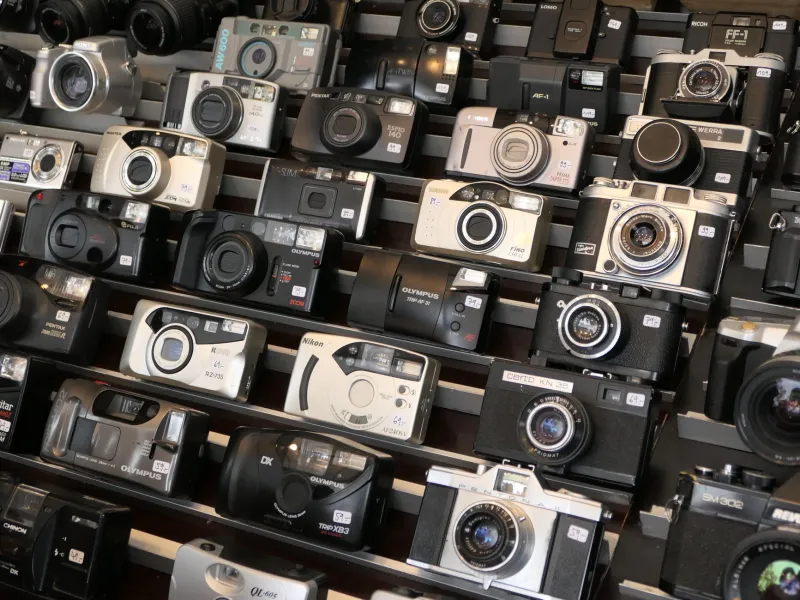
There's a running joke among film photographers in the US: the cheapest way to shoot analog is to fly to Japan. It sounds absurd until you actually do it. Then it just sounds like a plan.
Sapporo, Hokkaido's sprawling, surprisingly cosmopolitan capital, has developed a reputation among a tight-knit international community of film shooters as one of the most rewarding cities on earth for sourcing gear, stocking up on emulsions, and connecting with a local culture that never really let go of analog in the first place. While American camera shops have been closing for years and surviving ones charge a premium for anything resembling a decent film stock, Sapporo's shops are quietly thriving — and the prices are, frankly, embarrassing by comparison.
Here's what you need to know before you go.
Why Sapporo Specifically?
Tokyo gets most of the attention when people talk about Japan's camera culture — and sure, Shinjuku's used gear district is legendary. But Sapporo offers something different: a tighter, more community-driven scene where shop owners actually know their regulars, inventory turns over in unexpected ways, and the prices haven't been inflated by decades of international tourist demand.
Hokkaido's geography plays a role too. The island's dramatic landscapes — volcanic lakes, dense forests, long winters, and that particular quality of northern light — have attracted serious photographers for generations. That culture feeds into the retail ecosystem. Shops here stock for people who actually shoot, not just collect.
The Shops You Need to Know
Sapporo's analog shopping is spread across a few distinct zones, and it rewards the walker.
Tanuki Koji Shopping Arcade and surrounding streets are a solid starting point. This covered arcade near Susukino has been around since the Meiji era and its side streets are home to a rotating cast of used electronics and camera dealers. You won't always find film here, but for bodies — rangefinders, SLRs, medium format folders — the selection can be genuinely surprising. Prices on well-maintained Olympus OM-series bodies, Minolta X-700s, and even the occasional Mamiya run significantly lower than what you'd find on eBay after shipping and import fees.
Sapporo's Hard Off and Book Off ecosystem deserves its own paragraph. The Hard Off chain (think: Japan's answer to a well-organized Goodwill, specifically for electronics and gear) has multiple locations in and around the city. For film photographers, the Junk Corner is required browsing. Bodies in unknown condition sell for a few hundred yen. Even if two out of three don't work, the math often still makes sense. Bring a roll of film and ask to test before you buy — most staff will accommodate the request.
Specialty camera shops in the Odori and Kita district areas tend to stock actual film. Fujifilm stocks are the most common — Fuji has strong domestic distribution — but shops that cater to the analog revival crowd increasingly carry Kodak Gold, Ultramax, and occasionally the more boutique European emulsions like Lomography or Silbersalz 35. If you shoot black and white, Ilford HP5 and Delta 100 appear regularly, often at prices 30–40% below what B&H charges stateside.
For darkroom supplies, you'll need to either ask at the specialty shops or seek out the occasional art supply store that has expanded into photographic chemistry. It's not as easy as walking into a dedicated darkroom supplier — those are rare anywhere in the world now — but patient shoppers find what they need. Developer, fixer, and stop bath in Japanese-market packaging is perfectly usable and often half the US retail price.
What to Buy and What to Leave Behind
Not everything is a deal. Leica-branded anything is priced for collectors worldwide — Japan is no exception. High-profile Hasselblad bodies and lenses have been discovered by the international market and priced accordingly. If you're hunting for those, Sapporo won't save you money.
Where the real value lives:
- 35mm SLR bodies from the 1970s and 80s, especially Japanese domestic brands (Canon, Nikon, Olympus, Minolta, Pentax) that were sold in huge numbers locally
- Medium format folders — Fujica, Mamiya 6, and similar — often underpriced because the domestic market for them is smaller
- Lenses in M42 mount — the old Pentax screw mount lenses are everywhere and cheap
- Film in bulk — buying five or ten rolls at a shop vs. buying individual rolls adds up fast
- Developing tanks, reels, and accessories — often found in used condition at Hard Off for next to nothing
One thing to watch: check expiration dates carefully on any film you buy. Some shops sell expired stock without clearly marking it as such. That's not necessarily a dealbreaker — expired film has its devotees — but know what you're getting.
The Community Side of Things
What makes Sapporo's analog scene genuinely special isn't just the retail — it's the people. Hokkaido has a strong tradition of landscape and documentary photography, and the city's art schools have produced waves of graduates who shoot film because they were trained on it. That community is accessible if you make the effort.
A few shops post flyers for film swap events, zine fairs, and group darkroom sessions. If your Japanese is limited, don't let that stop you — the visual language of photography crosses the gap, and shop owners who cater to the analog revival crowd are increasingly used to international visitors. Instagram handles get exchanged. Recommendations get scrawled on receipts. It's that kind of scene.
For American photographers used to feeling like they're the last people on earth who still shoot film, it's a legitimately moving experience to walk into a Sapporo shop and realize the counter is staffed by someone who cares about grain structure as much as you do.
Practical Notes Before You Go
A few things worth knowing before you land:
Carry-on your film. Airport X-ray machines — especially the newer CT scanners being deployed at US airports — can fog film above ISO 400. Put your stock in a clear bag, declare it, and request hand inspection. Japanese airport security has generally been cooperative with this request.
Budget for development. If you shoot while you're in Sapporo, there are labs that develop C-41 and E-6. Turnaround times vary. Some visitors develop locally and scan before flying home to avoid carrying exposed rolls through additional security.
Know the voltage. If you're buying any electronic camera body or accessories that involve charging, confirm compatibility with US voltage (110V vs Japan's 100V — actually close enough for most devices, but worth verifying).
Shipping gear home. Japan Post's surface mail is slow but affordable for heavy gear. EMS is faster but pricier. If you go deep on lenses, factor shipping into your budget from the start.
The Bottom Line
For American film photographers, Sapporo is the kind of place that ruins you — in the best possible way. You'll come home with gear you couldn't find, film you couldn't afford, and a clear sense of just how much the domestic US market has been gouging you. The city's analog scene is real, it's active, and it genuinely welcomes outsiders who show up with curiosity and a light meter.
Start at the arcade. Work outward. Ask questions. And leave room in your carry-on.