Level Up Your Collection: A Hardcore Fan's Field Guide to Sapporo's Pop Culture Underground
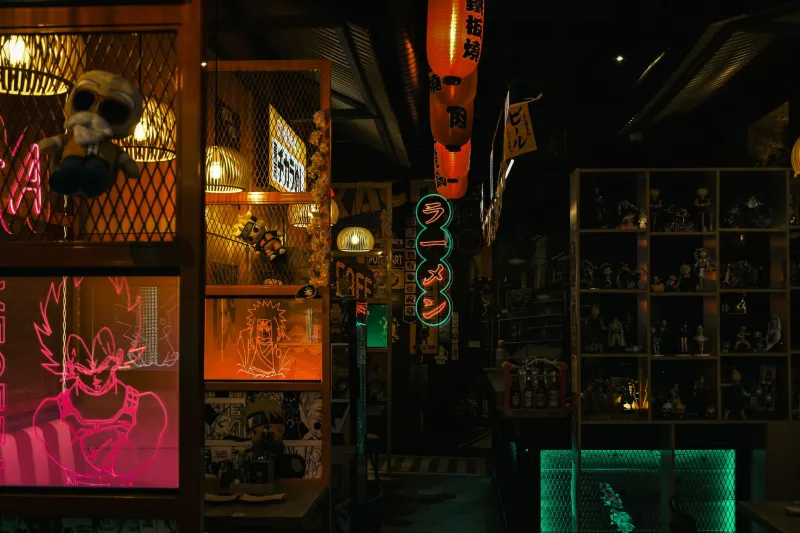
Every American anime fan has heard the same advice: go to Akihabara. Tokyo's legendary electronics and otaku district is basically a pilgrimage site at this point, with multi-story shops stuffed floor-to-ceiling with figures, games, manga, and merchandise covering every fandom imaginable. It's overwhelming, it's expensive, and during peak tourist season, you're fighting through crowds just to flip through a bin of used Blu-rays.
Here's the thing nobody tells you: Sapporo has its own pop culture retail scene, it's significantly less chaotic, and for certain categories of collectibles, it's actually a better hunting ground. If you're a serious collector—or even just a curious fan looking to bring home something more interesting than a mass-produced keychain—Hokkaido's capital deserves a spot on your itinerary.
Why Sapporo Flies Under the Radar (And Why That's Good for You)
Sapporo doesn't have Akihabara's density or its international reputation. That's precisely the point. Lower tourist traffic means less competition for rare finds, and it often means better prices. Shops here aren't calibrated to extract maximum yen from visiting fans on a once-in-a-lifetime trip—they're serving a local customer base of genuine enthusiasts who know what things are worth and won't pay inflated rates.
The city also has a strong collector culture of its own. Hokkaido residents have been building retro game libraries, manga collections, and figure displays for decades, and when collections get sold off, that inventory has to go somewhere. Used specialty shops in Sapporo benefit from this steady local supply in ways that Tokyo shops, which vacuum up inventory from a much larger market, sometimes don't.
Retro Gaming: The Deep Cuts Are Here
For US gamers, Japanese retro hardware and software is a specific kind of obsession. There are entire consoles and libraries that never made it to North America—PC-Engine, Sharp X68000, Neo Geo, and dozens of Famicom and Super Famicom titles that stayed Japan-exclusive. Finding these in the US means paying import markup on top of already-scarce supply. Finding them in Sapporo means paying something closer to actual market value.
The city has several used game shops worth knowing about. The Book-Off chain, which operates nationwide and has multiple Sapporo locations, is a reliable starting point—their gaming sections cover everything from Famicom cartridges to PS5, and prices are generally fair. For deeper cuts, smaller independent shops tend to have more interesting inventory. Look for shops in the Susukino area and along the shopping corridors near Sapporo Station; the density of specialty retail in these zones means you can cover a lot of ground on foot.
Condition matters enormously in this hobby, so know what you're looking at before you buy. Complete-in-box (CIB) items command significant premiums. Cartridge-only is cheaper but less desirable for collectors. Most shops use a grading system that's fairly standardized, and staff are usually willing to let you inspect items closely before purchasing.
Anime Merchandise: Beyond the Basics
If your goal is finding anime merchandise, Sapporo has options ranging from mainstream to genuinely obscure. Animate, the national chain with dedicated anime retail floors, has a Sapporo location that covers current-season figures, Blu-rays, artbooks, and character goods across popular titles. It's a solid baseline.
The more interesting finds, though, tend to happen at used shops and independent retailers. Japan's secondhand market for anime goods is remarkably well-organized—items are typically cleaned, graded, and priced by people who actually understand what they're selling. Limited-edition figures that went for lottery prices at release show up in used condition at more accessible price points. Event-exclusive merchandise that never made it to general retail occasionally surfaces in these shops too.
One category worth specifically seeking out: vintage anime goods from the 80s and 90s. Cel art, original production materials, vintage merchandise from early Gundam, Macross, or City Hunter—these items are genuinely rare and increasingly collectible. They don't turn up in every shop, but they do turn up, and Sapporo's collector culture means the supply isn't completely picked over the way it might be in larger markets.
Manga Hunting: Where to Find the Good Stuff
Japan's manga market is enormous, and the used segment of that market is even bigger. Book-Off locations are again a practical starting point for affordable used volumes, but for serious collectors, the goal is usually first editions, early printings, or complete runs of older series.
Vintage manga—particularly from the 60s through the 80s—has become a legitimate collectibles category. First-edition volumes of foundational series by artists like Osamu Tezuka, Fujiko F. Fujio, or Go Nagai are genuinely valuable, and finding them in good condition requires patience and some knowledge of what you're looking for. Specialty used bookshops in Sapporo occasionally surface these items, particularly when local collections come to market.
For readers rather than collectors, the sheer volume of affordable used manga available in Sapporo is honestly staggering. If you read Japanese, you can fill a suitcase with complete series for relatively little money. If you don't, artbook-format manga or works with significant visual content still make compelling purchases regardless of language barrier.
The International Shipping Problem (And How to Think About It)
Let's be real about the logistics challenge. Shipping collectibles internationally is complicated, expensive, and carries real risk of damage. A fragile figure or a delicate vintage manga volume needs serious packaging, and Japan Post's international rates for anything heavy or bulky add up fast.
A few practical approaches: For small, flat items like manga volumes or cartridge-only games, international shipping is usually manageable. For larger items or fragile figures, consider using a Japanese proxy shipping service—companies that consolidate packages, rebox items properly, and handle customs documentation. EMS (Japan's express mail service) is generally reliable for international shipments, though not cheap.
If you're buying significant quantities, surface mail (sea freight) is dramatically cheaper but takes four to eight weeks. Plan accordingly if you're shipping back a haul.
For the most valuable or fragile items, honestly, hand-carry is the safest option. Know your customs limits ($800 duty-free for US residents returning from international travel) and pack carefully.
Timing Your Hunt
Sapporo doesn't have a single concentrated pop culture district the way Akihabara does, so planning your shopping around the city's geography matters. Budget a half-day minimum for a serious run through multiple shops, and start in the Susukino and Odori areas before branching out. Weekday afternoons tend to be quieter than weekends, which means easier browsing and occasionally more attentive staff.
New inventory arrives constantly in used shops, so if you're in Sapporo for multiple days, revisiting a shop you liked on day one isn't a bad strategy. That Super Famicom box set you spotted yesterday might be gone, but something you didn't see before might have appeared in its place.
The hunt is the point. And in Sapporo, the hunt is genuinely fun.