Made in Sapporo: How to Track Down the City's Best Artisan Workshops and Bring Home Something That Actually Means Something
There's a particular kind of disappointment that hits when you get home from a trip, unpack your suitcase, and realize that everything you bought could have been ordered on Amazon. The keychains, the packaged snacks, the little tchotchkes with the city name printed on them — fine, useful even, but not exactly the stuff of lasting memories.
Sapporo has an answer to that, and it's not in the airport gift shop. The city's maker and artisan community is quietly one of the most vibrant in northern Japan, producing handmade ceramics, woodwork, textiles, and jewelry that carry actual stories — about Hokkaido's materials, its climate, its aesthetic sensibility. The trick is knowing where to find it.
Why Sapporo's Maker Scene Feels Different
Hokkaido's geographic isolation has always shaped its creative culture. Cut off from the mainland aesthetic currents that dominated Kyoto and Tokyo for centuries, the island developed its own visual language — one that leans into raw materials, functional design, and a certain unpretentious directness that feels very Hokkaido. You see it in the ceramics: less decorative fussiness, more attention to how a bowl actually feels in your hands. You see it in the woodwork: Hokkaido timber, worked with techniques that respect the grain rather than fighting it.
The other thing that makes Sapporo's artisan scene distinctive is its accessibility. Unlike some Japanese craft traditions that feel locked behind ceremony or language barriers, many of Sapporo's makers are enthusiastic about international visitors and actively want to explain their work. Instagram has helped — a lot of these artists have English-friendly profiles that make initial contact easy before you even arrive in the city.
The Markets: Your Best Starting Point
If you're new to the scene, Sapporo's seasonal artisan markets are the most approachable entry point. The Hokkaido Creators Market, held at the Sapporo Convention Center, is one of the largest — typically running twice a year and bringing together hundreds of independent makers from across the island. It's the kind of event where you can spend three hours wandering and still feel like you missed half of it.
Smaller, more curated events pop up throughout the year in venues ranging from community centers to repurposed warehouses in the Shiroishi and Toyohira wards. Following local Instagram accounts and checking the city's cultural event listings (the Sapporo City website has an events section that's reasonably well-translated) will help you catch these before they happen.
The Maruyama neighborhood is worth a dedicated half-day. This quieter, residential part of the city has become a low-key hub for independent creative businesses — small galleries that double as retail spaces, design studios with walk-in hours, and the occasional pop-up market in a courtyard or parking lot that you'd never find without knowing to look.
Ceramics: Hokkaido's Quietest Art Form
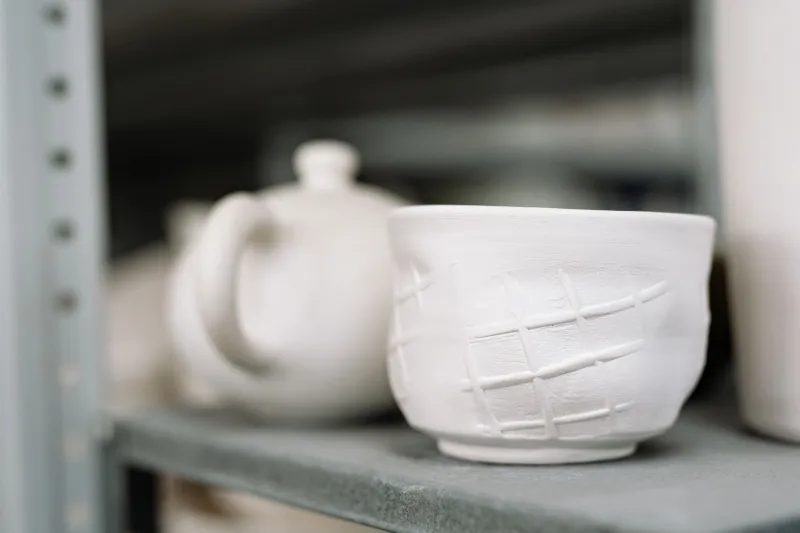
Pottery might be the artisan category with the deepest roots in the Sapporo area, and it's where some of the most compelling work is happening right now. A generation of younger ceramicists has moved to Hokkaido specifically for the clay, the firing conditions, and the lifestyle — and they're producing work that sits comfortably between traditional Japanese craft and contemporary design.
Look for studios that offer direct-purchase visits, sometimes called "studio open days" or listed as アトリエ開放 (atelier open) in Japanese. These aren't formal gallery experiences — you're often walking into someone's actual workspace, seeing pieces in progress, and buying directly off a shelf. The prices reflect the absence of gallery markup, and the conversation that comes with the purchase is genuinely part of the value.
A few ceramicists in the Kitahiroshima area (accessible by train from Sapporo) work with local clay sources and volcanic ash glazes that produce finishes you won't see replicated anywhere else. These pieces travel well — a well-packed ceramic bowl is more durable than people think — and they hold up as objects you'll actually use.
Wood and Textile: Materials That Tell a Story
Hokkaido's forests are a resource that local woodworkers take seriously. Craftspeople working with Hokkaido oak, birch, and elm produce cutting boards, utensils, and small furniture pieces that have a density and warmth that mass-produced alternatives simply can't match. The Hokkaido Forestry Museum near Sapporo occasionally hosts maker events and maintains connections with local woodworking studios worth visiting.
On the textile side, Ainu-influenced weaving and dyeing traditions have experienced a genuine revival — not as nostalgic reproduction, but as living practice being reinterpreted by contemporary artists. Some of these makers sell through cooperative galleries in central Sapporo; others maintain studio spaces where visits can be arranged in advance. Pieces range from wearable scarves and wraps to wall hangings that read as serious art objects.
How to Buy Directly and Why It Matters
Purchasing directly from an artisan isn't just about price — though you will generally pay less than you would through a gallery or retailer. It's about provenance. When you buy a bowl directly from the person who made it, you know exactly what you have. You can ask about the clay, the firing temperature, the glaze. You can get the maker's name, their contact information, the story behind the piece.
That context transforms an object. Back home, when someone asks about the ceramic mug on your shelf, "I bought it at an artisan market in Sapporo from a woman who sources her clay from a deposit near the Ishikari River" is a completely different answer than "I got it at the airport."
A few practical notes on direct purchasing:
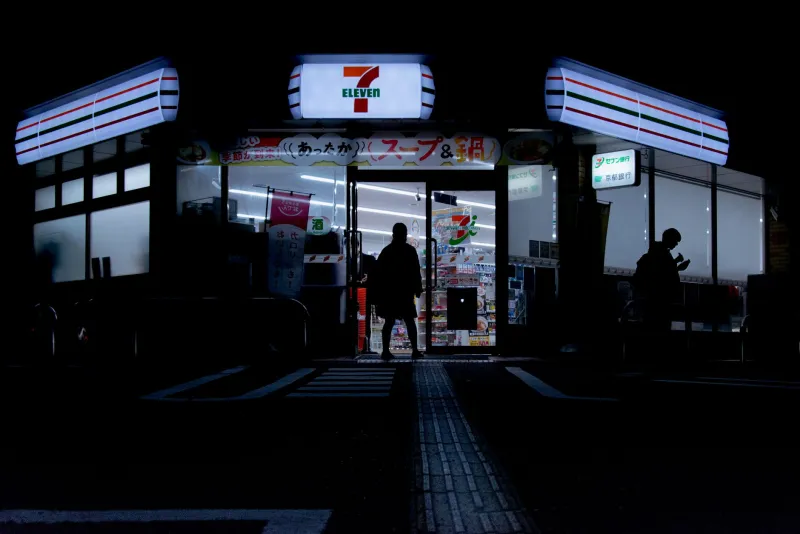
- Bring cash. Many independent makers and smaller studios are cash-only, or have card readers that are unreliable. ATMs at 7-Eleven locations throughout Sapporo accept most international cards.
- Don't be afraid to ask for a card or label with the maker's name and contact info. Most artists are happy to provide this, and it's useful if you want to reorder or simply want to credit them properly.
- Ask about packing. Experienced makers who sell to international visitors often have packaging specifically designed for travel. Don't assume fragile pieces can't make the trip — ask first.
- Tax-free shopping applies here too. If you're purchasing at a registered retailer or cooperative, you may be eligible for the same consumption tax exemption that applies at larger stores. It's worth asking.
The Bigger Picture
Sapporo's artisan economy is growing, partly because younger Japanese creatives are choosing smaller cities over the overwhelming cost and competition of Tokyo, and partly because Hokkaido's identity as a place of distinct materials and landscapes has real creative appeal. For visitors, that means the selection keeps getting better — and the chance to connect with makers doing genuinely interesting work keeps expanding.
The souvenirs worth having are the ones with weight to them — not just physical weight, but the weight of craft, intention, and place. Sapporo's makers are producing that kind of work, and they're more reachable than you might think.