Your New Favorite Souvenir Shop Is Open at 3 AM: A Smart Traveler's Guide to Sapporo's Convenience Stores
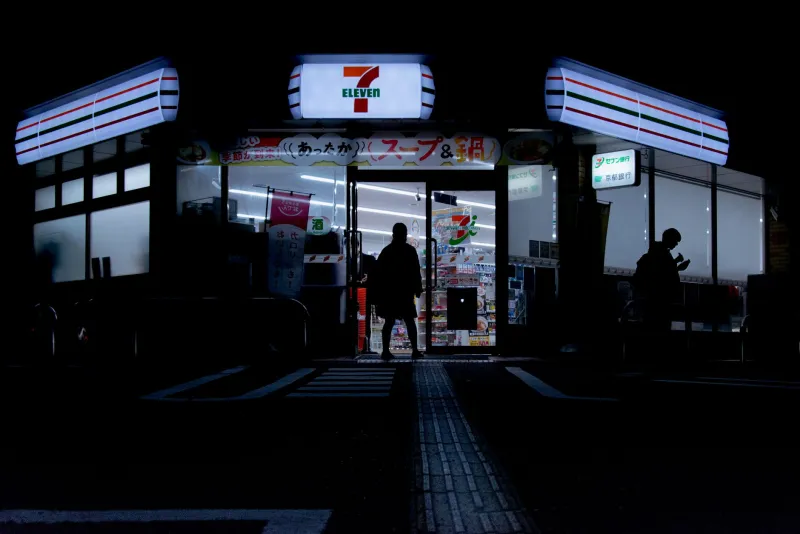
Let's be honest about something: the average American traveler walks into a Japanese convenience store, buys an onigiri and maybe a canned coffee, and walks out thinking they've experienced the whole thing. They have not experienced the whole thing.
Sapporo's convenience stores—and there are a lot of them, with 7-Eleven, FamilyMart, Lawson, and Seicomart all competing fiercely for foot traffic—operate on a different level than anything you've encountered in the US. They're part grocery store, part fast food spot, part pharmacy, and, if you know what you're looking at, part boutique shop stocking items that are legitimately worth bringing home.
Here's how to actually shop them.
First, Understand That Sapporo Gets Its Own Products
This is the part that surprises most visitors. Japanese convenience store chains don't just operate a single national inventory. They regionalize. Sapporo and Hokkaido get specific product lines—limited-edition flavors, locally sourced ingredients, and seasonal items tied to Hokkaido's agricultural calendar—that you will not find at a 7-Eleven in Tokyo, let alone one in Columbus, Ohio.
Hokkaido dairy products show up everywhere in this context. Convenience store soft-serve in Sapporo uses actual Hokkaido milk, and the difference is immediately noticeable. Packaged sweets—particularly the store-brand chocolate and cream products at Lawson and FamilyMart—often feature Hokkaido butter or fresh cream in formulations exclusive to the region.
The practical takeaway: don't assume you'll find the same thing at your next stop. If you see something labeled Hokkaido-gen (北海道限定)—meaning Hokkaido-exclusive—buy it now.
Seicomart: The One You've Never Heard Of
If you want a single piece of convenience store advice for Sapporo, it's this: find a Seicomart.
Seicomart is a Hokkaido-based chain that barely exists outside the region, and it operates with a different philosophy than the national players. It stocks a higher proportion of locally sourced products, runs its own in-store hot food kitchen (called Hot Chef), and carries house-brand items—wines, spirits, dairy, snacks—that are produced specifically for the chain.
For shoppers, this means Seicomart is the most distinctly Hokkaido convenience store experience you can have. The wine selection alone is worth a look—Hokkaido has a growing wine industry, and Seicomart stocks bottles from small local producers at prices that would make a Whole Foods wine buyer cry.
Pickup targets at Seicomart: their house-brand Hokkaido milk chocolate, the soft cream (soft-serve) if you're eating it there, and any seasonal snack items near the register. The staff are used to curious visitors and will often point out what's new.
Seasonal Drops Are Real and They Matter
Japanese convenience stores operate on a seasonal release calendar that's almost fashion-industry in its discipline. New products drop with the seasons—spring sakura flavors, summer melon and corn items, autumn potato and pumpkin lines, winter dairy-heavy comfort foods—and they disappear just as quickly.
For travelers visiting Sapporo, this means the inventory you see is genuinely time-limited. The Hokkaido corn potato chip variants that appear in late summer? Gone by October. The white strawberry cream confections that show up in winter? Not a year-round thing.
A practical habit: spend five minutes in every convenience store you pass just scanning the end-cap displays and the area near the registers. That's where seasonal and limited items get featured. You don't need to buy everything—but you should at least know what's available before you decide.
Giftable Items That Don't Look Like Convenience Store Finds
This is where the real value is for shoppers thinking about what to bring home.
Convenience store chocolate boxes—particularly the premium gift lines that 7-Eleven and Lawson run around holidays and seasonal peaks—are packaged well enough to give as gifts and priced far below comparable specialty shop items. Look for anything featuring Hokkaido milk or butter on the label; these sell well domestically precisely because the dairy quality is recognized.
Packaged onsen eggs (hot spring eggs with a custard-soft yolk) don't travel, but the seasoning packets and tare sauces sold alongside them absolutely do. Same goes for the small-format miso and soup base packets that convenience stores stock near the instant noodle section—these are often higher quality than what you'd find in the international aisle of an American grocery store, and they're cheap.
For anyone shopping for friends who are into Japanese snacks: the regional chip flavors (crab, butter potato, corn soup) are genuinely hard to find outside Hokkaido and make for easy, lightweight, crowd-pleasing gifts. Grab a few bags. They're a dollar each.
How to Navigate as a Foreign Shopper
A few logistics worth knowing:
Payment: Most Sapporo convenience stores now accept IC cards (like Suica), credit cards, and increasingly foreign debit cards. Cash still works everywhere. If you're unsure, have ¥1,000 notes on hand.
Language: Product labels are in Japanese, but the visual design is usually clear enough to understand what you're buying. When in doubt, Google Translate's camera function reads Japanese packaging reliably.
Hot food: The items in the heated case near the register—steamed buns, fried chicken, nikuman—are ordered verbally or by pointing. Staff at major chains in Sapporo are accustomed to this interaction with visitors. Just point and hold up fingers for quantity.
Bags: Japan's convenience stores charge a small fee for plastic bags (a few yen), so staff will ask if you want one. "Hai" means yes, "daijoubu desu" means you're fine without one.
The Bigger Point
American retail culture treats convenience stores as a last resort. Japanese convenience store culture treats them as a genuinely competitive retail category where quality and curation matter. Sapporo's stores—especially with the Hokkaido regional overlay—are a legitimate shopping destination, not just a place to grab a snack between the real stops.
The next time you're walking back to your hotel at midnight and pass a glowing FamilyMart sign, go in. Spend fifteen minutes. See what's on the seasonal end cap. You might walk out with the best souvenir of your trip.