Fade, Shrink, Repeat: The Sapporo Denim Shops Selling Jeans That American Stores Simply Won't Stock
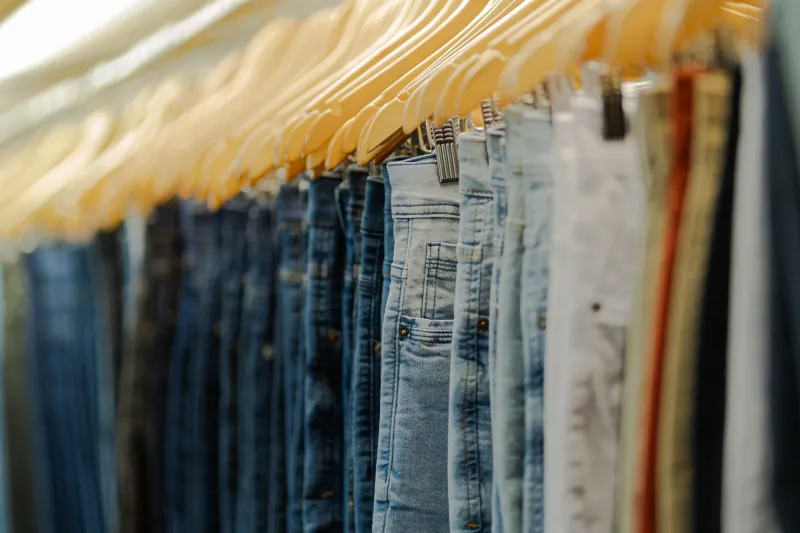
At some point, if you spend enough time in the denim rabbit hole, you start to realize that most of what's available in American retail—even the good stuff—is a curated, import-filtered version of what Japanese denim culture actually looks like. The mills in Okayama and Kojima are producing fabric so precise and so deliberately constructed that the finished jeans are less like clothing and more like an ongoing project. Sapporo isn't the first city that comes to mind when people think about Japanese denim. But it should be on the list.
Here's why, and more practically, here's how to shop it.
Why Sapporo Has a Denim Scene at All
This is a fair question. Okayama Prefecture—particularly the Kojima district—is the acknowledged heartland of Japanese selvedge production. So what's going on in Sapporo?
A few things. First, Hokkaido's demographic skews toward people who work outdoors in genuinely demanding conditions. The market for durable, well-constructed workwear-influenced clothing is organic here in a way it isn't in, say, Tokyo, where it's more about aesthetics. Second, Sapporo has a strong independent retail culture that attracts boutique owners with strong points of view—the kind of shop operators who travel to Kojima, build direct relationships with mills and small-batch producers, and bring back inventory that doesn't show up in any distributor catalog.
The result is a city where you can walk into a relatively unassuming shop and find a pair of jeans made on a 1960s shuttle loom in a production run of 200 units. That's not hyperbole.
What Makes Japanese Selvedge Different—and Why the Price Is Real
American shoppers are often surprised by the price of quality Japanese selvedge denim. A pair of raw jeans from a respected Japanese brand can run anywhere from $250 to over $500. Before you flinch, it's worth understanding what you're actually paying for.
Selvedge denim is woven on narrow shuttle looms—machines that were largely replaced by faster, wider projectile looms starting in the 1970s. The shuttle loom produces a tightly woven fabric with a self-finished edge (the "selvedge") that doesn't fray. The fabric is denser, more durable, and fades in a more dramatic, personalized pattern than mass-produced denim. Japanese mills—particularly those that survived by serving domestic heritage brands after American denim manufacturing declined—became the global custodians of this craft.
The craftsmanship difference is also in the construction. Chain-stitched seams. Copper rivets. Hand-stamped leather patches. Single-needle sewing on stress points. These aren't decorative choices. They're the construction methods that allow a pair of jeans to last 10 to 15 years with proper care and develop a fade pattern that's unique to the person wearing them.
When you put it that way, $350 starts to look more reasonable than another pair of $80 jeans you'll replace in two years.
The Sapporo Shops Worth Your Time
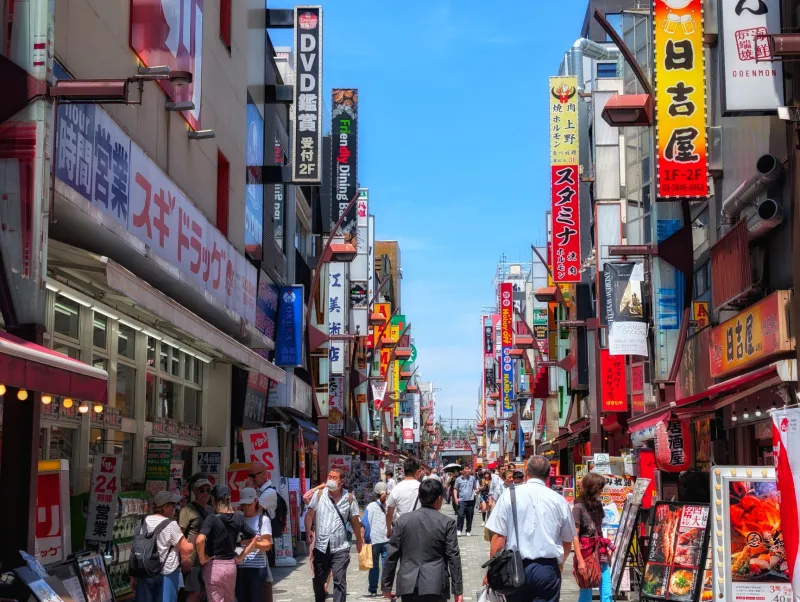
Sapporo's denim retail scene is concentrated but not enormous. You're not going to find a denim district the way you'd find a cluster of electronics shops in Akihabara. What you will find is a handful of boutiques that stock seriously considered selections.
Workwear and heritage clothing shops in the Susukino and Odori areas tend to carry the most interesting denim selections. Look for shops that also stock Japanese-made work jackets, selvedge chambray shirts, and canvas goods—these are reliable indicators that the owner has a genuine interest in heritage manufacturing rather than just selling trendy pieces.
Brands to look for specifically:
- The Strike Gold – Okayama-based, known for high-contrast fades and aggressive slubby texture. Not widely distributed in the US.
- Oni Denim – Uses a unique "secret denim" weave that produces dramatic irregular fades. Extremely difficult to find outside Japan.
- Momotaro Jeans – More established internationally, but Sapporo shops often carry older season pieces or regional exclusives that US retailers don't receive.
- Samurai Jeans – Heavyweight constructions built for actual wear rather than display. Their limited seasonal releases are often only available through select Japanese retailers.
When in doubt, ask the shop staff which brands are exclusive to Japan or to their specific store. Most boutique owners in this space are happy to explain the provenance of their inventory—it's part of why they're in the business.
Fit, Sizing, and What to Expect as an American Shopper
Japanese sizing runs smaller, and raw selvedge denim runs smaller still—it's designed to be worn tight and allowed to stretch and conform to your body over the first few months of wear. As a general rule, size up one from your usual waist measurement and be prepared for a break-in period that requires some commitment.
The inseam situation is also worth noting. Most Japanese selvedge jeans are sold with a long inseam (typically 34-36 inches) with the expectation that they'll be hemmed by the retailer. Many Sapporo boutiques offer same-day or next-day hemming services—ask about this when you're trying on pairs. Getting a proper hem done at the point of purchase, with a chain stitch, is part of the experience and usually costs very little.
If you're between sizes or unsure about the break-in process, be honest with the staff. They've fitted hundreds of customers and can tell you more accurately than any size chart how a specific cut will wear.
Is It Worth It for an International Buyer?
Let's be direct: if you're already spending money on quality denim in the US, buying in Sapporo almost certainly makes financial sense. The same brands that cost $400 or more at American boutiques—when they're available at all—are typically priced lower at Japanese retail. You're also accessing inventory that simply doesn't exist in the American market.
The break-in process is the only real commitment. Raw selvedge denim requires patience. You wear it, you wash it carefully (inside out, cold water, hang dry), and over six months to a year, it becomes something that fits you specifically and fades in a pattern you earned. That's the whole point.
For shoppers who've been buying fast fashion denim on a replacement cycle, this is a different philosophy entirely. One pair, worn right, indefinitely. Sapporo is a good place to start taking that seriously.