The Department Store as Destination: Why Sapporo's Depachika Will Ruin American Malls for You Forever
Somewhere between the fourth sample of Hokkaido cream puff and the second floor of perfectly folded linen shirts, it hits you: this is not a department store. This is a whole different philosophy of retail.
If your mental image of a department store involves flickering fluorescent lights, a perfume gauntlet, and a vague sense of existential dread, Sapporo is about to recalibrate your expectations entirely. Japan's department store culture — anchored by the legendary depachika (basement food halls) and extended across floors of curated lifestyle goods — is genuinely unlike anything you'll encounter at a Nordstrom, Macy's, or any American mall experience. And Sapporo, as Hokkaido's capital and commercial hub, has some of the best examples in the country.
Here's what to expect, where to go, and how to make the most of it as an international visitor.
What Actually Makes a Depachika Different
The word depachika combines depāto (department store) and chika (underground/basement). Conceptually simple. In practice, overwhelming in the best possible way.
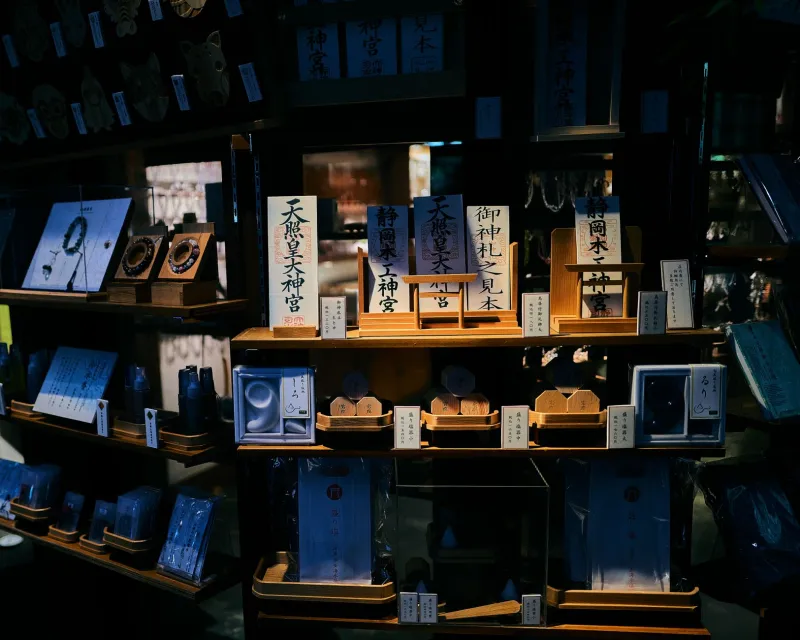
Where an American food court gives you a Panda Express and a Subway, a depachika gives you individually crafted wagashi confections, regional pickles, artisan dashi stocks, premium bento boxes assembled to order, imported wine cellars, and seasonal sweets tied to whatever holiday or harvest is happening that week. The difference isn't just quality — it's intentionality. Every item in a depachika has been curated. Vendors are vetted. Presentation is treated as seriously as the product itself.
For American visitors, the sensory experience alone is worth the trip downstairs. But there's real shopping to be done here too.
Daimaru Sapporo: The Gold Standard
Located directly connected to Sapporo Station, Daimaru Sapporo is the anchor of the city's upscale retail scene. The building spans multiple floors of fashion, homeware, cosmetics, and lifestyle goods, but the basement food hall is the crown jewel.
The depachika at Daimaru stocks Hokkaido-exclusive food products alongside national and international premium brands. You'll find local dairy products, regional confections, prepared foods, and specialty groceries in a space that feels closer to a luxury food market than anything resembling a supermarket. Staff at individual counters are specialists — the person selling you kombu has genuine knowledge about it.
For international shoppers, Daimaru offers tax-free (duty-free) shopping on qualifying purchases. The threshold is typically ¥5,000 in a single transaction (about $33 USD at current exchange rates). You'll need your passport, and the process happens at a dedicated service counter — it's straightforward and well worth doing if you're spending any real money. Electronics, clothing, and cosmetics are common categories where the savings add up quickly.
Fashion floors at Daimaru carry a mix of Japanese domestic brands and international labels, but the real draw for North American visitors is access to Japanese-market-only products and sizing. Japanese fashion brands often produce collections and colorways that never make it to their US locations (if they have US locations at all). Shopping here is one of the few ways to access that inventory without a proxy service.
Parco Sapporo: Younger Energy, Distinct Aesthetic
A few blocks away in the Odori area, Parco Sapporo hits a different note. Where Daimaru leans toward established luxury and comprehensive selection, Parco skews younger and more trend-forward. The tenant mix includes streetwear labels, Japanese contemporary fashion brands, lifestyle goods, and a strong representation of pop culture retail — think character goods, limited-edition collaborations, and niche hobby shops.
For American visitors who follow Japanese fashion or street culture, Parco is essential. Brands like Beams, United Arrows, and various select shops carry Japanese-market inventory that either doesn't exist in the US or retails at significant markup through resellers. Buying direct here is straightforwardly better.
Parco also tends to host more rotating pop-up events and limited-time shops tied to seasonal themes, anime releases, or regional promotions. If you happen to be in Sapporo during a collaboration event, the energy inside the building is genuinely electric.
Understanding Japanese Customer Service — And Why It Feels So Different
One of the most consistent reactions American visitors have in Japanese department stores is mild shock at the level of customer service. And it's worth understanding why, because it reframes the entire experience.
In Japan, retail service is rooted in a concept called omotenashi — a form of wholehearted hospitality that anticipates needs rather than just responding to them. Staff greet you, wrap your purchases with care (sometimes elaborate care), offer to carry bags to the door, and treat each transaction as an exchange worth doing well. This isn't performative — it's a genuine professional standard.
For Americans used to self-checkout lanes and understaffed floor sections, this can feel almost disorienting. A few things to keep in mind:
- You don't need to speak Japanese to shop effectively. Most major department stores in Sapporo have staff with at least basic English, and pointing + a smartphone translator gets you the rest of the way.
- Handling merchandise is generally fine in most sections, but follow the lead of the space. In some specialty areas, items are displayed for viewing rather than browsing.
- Tipping is not a thing. Not at all. Don't do it. It creates awkwardness and can actually be considered rude.
Seasonal Collections: The Calendar-Driven Shopping Culture
One of the most underappreciated aspects of Japanese department stores is how deeply seasonal the inventory is. This isn't just swapping out a summer display for a fall one — the entire product selection shifts with the calendar in ways that feel genuinely meaningful.
Hokkaido's seasons are dramatic: heavy snow winters, vivid summers, spectacular autumns. Department stores in Sapporo reflect this with seasonal food offerings, limited-edition packaging, and merchandise tied to regional events like Sapporo Snow Festival (February) or summer lavender season. If you visit during a transitional season, you'll find products and collections that literally won't exist by the time you come back.
This is a significant reason why shopping in Sapporo's department stores feels different from browsing a website. The inventory has a temporality to it. What you're looking at today might not exist tomorrow.
Practical Tips for International Shoppers
Before you head out, a few logistics worth knowing:
- Duty-free eligibility: Bring your passport everywhere. You'll need it for tax exemption at the service counter. Keep your receipts together — you may need to show purchases at the airport.
- Payment: Most major department stores in Sapporo now accept international credit cards (Visa, Mastercard, Amex). Some basement food vendors are still cash-preferred, so keep some yen on hand.
- Sizing: Japanese sizing runs smaller than US sizing across most categories. Many stores have sizing conversion charts, and staff are accustomed to helping international customers find the right fit.
- Shipping home: Both Daimaru and Parco have arrangements for domestic Japanese shipping, and some purchases can be shipped internationally. Ask at the service counter — it's more available than most visitors realize.
Sapporo's department stores aren't just places to buy things. They're a window into a retail philosophy built around care, quality, and the idea that shopping itself can be a genuinely good experience. After a few hours in a depachika, you'll find yourself wondering why we ever settled for anything less.