How to Buy Gifts in Sapporo Without Looking Like You Just Grabbed Stuff at the Airport

Photo by Photo by Kris Tian on Unsplash on Unsplash
There's a moment every traveler knows. You're in the airport, forty minutes before boarding, scanning a rack of shrink-wrapped cookies and refrigerator magnets, wondering if your coworkers will notice that you clearly didn't think about them until the last possible second. It's a universally relatable failure.
Japan has a better way. It's called omiyage, and it's baked into the culture so deeply that there are entire retail ecosystems built around it. The concept is simple: when you travel, you bring back gifts for the people in your life — family, coworkers, neighbors, anyone who might reasonably expect an acknowledgment that you went somewhere interesting and thought of them. The execution, though, is where it gets genuinely impressive.
Sapporo, as the gateway to Hokkaido, sits at the center of one of Japan's most distinctive regional gift cultures. The island produces ingredients, crafts, and products that simply don't exist anywhere else. The challenge isn't finding something worth buying — it's knowing where to look beyond the obvious tourist corridor.
Understanding What Makes Hokkaido Products Special
Before getting into where to shop, it helps to understand why Hokkaido gifts carry weight that goes beyond novelty. The island's agricultural output is extraordinary — dairy, seafood, produce, and grain that supplies much of Japan's food industry. When local makers turn those raw materials into finished products, the quality baseline is already high.
Hokkaido also has a craft tradition that reflects its history as a relatively recently settled frontier. Unlike older Japanese regions with centuries of established artisan guilds, Hokkaido's craft culture is more eclectic, drawing on indigenous Ainu traditions, Japanese settler heritage, and a contemporary maker movement that's been growing steadily for the past two decades. The result is a gift landscape that's genuinely varied — there's no single "Hokkaido thing" the way there might be in other regions.
Skip the Souvenir Shops (Mostly) — Here's Where to Actually Go
Specialty Food Retailers
Hokkaido's food gifts are legitimately excellent, but the best ones aren't always in the most obvious places. Department store basement food halls — the famous depachika — are worth a trip on their own, but don't overlook the smaller specialty retailers scattered through the city.
Look for shops focused specifically on Hokkaido dairy products: butter, cheese, and milk-based confections that reflect the island's farming heritage. Hokkaido butter cookies and caramel products are popular for good reason — the dairy quality shows up in the flavor in a way that mass-produced equivalents can't replicate. But push a little further and you'll find aged cheeses from small producers, flavored butters packaged beautifully enough to double as display items, and milk-based sweets that travel well.
Miso and soy sauce from Hokkaido producers make excellent gifts for the food-obsessed person in your life. These aren't items you'll find at a Whole Foods back home, and a bottle of single-origin Hokkaido soy sauce paired with a small card explaining its provenance is the kind of gift that genuinely impresses.
Craft and Artisan Markets
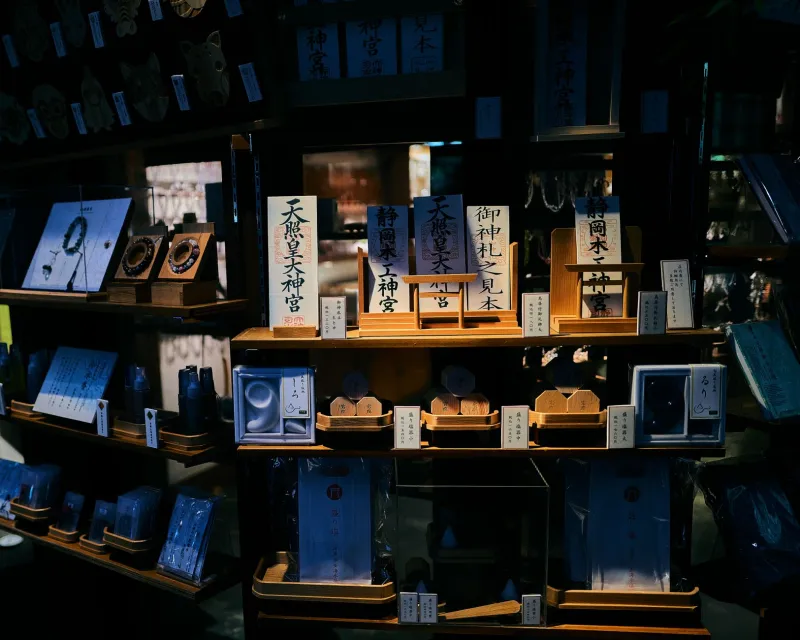
Sapporo hosts regular craft markets, particularly around Odori Park, where local makers sell directly to the public. These are some of the best opportunities to find truly one-of-a-kind gifts — ceramics, woodwork, textiles, and jewelry made by individual artisans rather than produced at scale.
The Sapporo Factory complex and surrounding areas also have rotating pop-up retail spaces that feature regional craft. It's worth checking what's running during your visit dates before you arrive — these events can yield the most memorable purchases of any trip.
Sake, Wine, and Craft Spirits
Hokkaido has an emerging wine industry centered around the cooler climate of areas outside Sapporo, and the bottles you'll find in the city's specialty liquor shops represent a category that's almost entirely absent from US retail. A bottle of Hokkaido wine — particularly from a small producer — is a gift that tells a story.
Hokkaido sake is similarly distinctive, with breweries producing styles that reflect the region's water and rice. Many specialty shops in Sapporo offer tasting opportunities and staff who can help you select something appropriate for the palate of whoever you're buying for.
Locally-Made Cosmetics and Skincare
This one surprises a lot of American visitors. Hokkaido has a growing natural cosmetics industry built on local botanicals, dairy extracts, and mineral ingredients. Products from brands rooted in Hokkaido's natural environment are popular gifts among Japanese travelers and increasingly sought after internationally.
Look for skincare lines featuring lavender (Hokkaido's lavender fields are famous), rose hip, and dairy-based ingredients. Presentation is typically beautiful — Japanese cosmetic packaging sets a high bar globally — and these items are compact enough to pack without drama.
How to Spot Quality Over Kitsch
A few quick rules of thumb when you're evaluating whether something is worth the luggage space:
Look for specific provenance. Good Hokkaido products typically tell you exactly where the ingredients came from or where the item was made. Vague "Hokkaido style" labeling is a flag.
Check the ingredient list on food items. Authentic regional products lead with local ingredients. If the first ingredient is generic imported flour or sugar and the Hokkaido connection is an afterthought, keep walking.
Notice the packaging quality. Japanese gift culture takes presentation seriously. Items intended as genuine omiyage are typically packaged with real care — not just shrink-wrapped and stacked. The packaging quality often reflects the product quality.
Ask staff for recommendations. This bears repeating. Shop staff in Japan are often deeply knowledgeable about what they carry and genuinely happy to help you find something appropriate. Use that resource.
The Mindset Shift That Changes Everything
The most useful thing to take from Japanese omiyage culture isn't a specific product recommendation — it's the underlying intention. Buying gifts as an afterthought produces afterthought gifts. Buying gifts as a deliberate act of connection, with some thought given to the recipient and the place, produces something worth giving.
Sapporo has the goods to support that intention. The city's retail landscape rewards the traveler who slows down, wanders into the less obvious shops, and asks a few questions. Your coworkers, your family, and honestly your own travel memories will be better for it.