Hokkaido's Best-Kept Food Secrets: What Sapporo Locals Actually Buy (And You've Probably Never Heard Of)
Everyone lands in Sapporo with the same plan: eat some ramen, grab a box of Royce' chocolate, maybe pick up a bag of soup curry mix. And look, none of that is a bad call. But if you're treating Sapporo like a food city—which it absolutely is—you're barely scratching the surface.
Hokkaido is Japan's agricultural heartland. That means Sapporo sits at the center of a food culture built on serious dairy, cold-water seafood, and produce that gets borderline obsessive attention from chefs and home cooks alike. The stuff locals are actually buying at specialty markets and neighborhood shops? It's a completely different conversation.
Here's where to dig in.
Miso That Actually Tastes Different Here
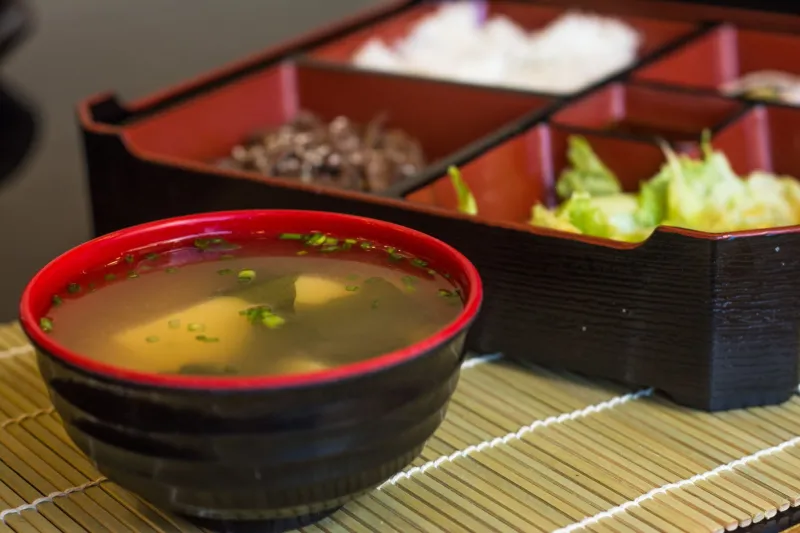
You've had miso soup. You've probably bought a tub of white miso at Whole Foods. But Hokkaido miso—particularly the red miso varieties produced in the Sapporo region—hits differently. It's richer, slightly earthier, and carries a depth that reflects the colder fermentation conditions of the north.
Shops like Sapporo Miso Jozo (札幌みそ醸造) carry house-fermented varieties that never make it to export. Look for blends that incorporate Hokkaido-grown soybeans, which locals will tell you make a noticeable difference. The packaging is usually utilitarian, which is a good sign—you're buying for the product, not the tourism markup.
At home, this miso works beautifully in marinades for salmon or pork, stirred into butter for a compound spread, or dissolved into a simple dashi broth. A 500g container takes up almost no luggage space and will transform your cooking for weeks.
Butter Corn's Weirder, More Interesting Cousin
Miso butter corn is Sapporo's most famous flavor combination, and for good reason. But the more interesting find at local markets is corn-based processed products that go well beyond the soup topping you've seen on ramen. Think corn-infused miso paste, dried sweet corn packaged as a seasoning, and—this one surprises a lot of visitors—corn-flavored soft confections that taste like actual corn, not candy corn.
Nijo Market (二条市場), a covered market that's been running since the Meiji era, carries a rotating selection of these products alongside fresh produce. It's smaller and less touristy than Hokkaido's larger markets, which means vendors are more willing to let you taste before you buy. That's how you end up with three different corn seasonings you didn't know you needed.
Dried and Cured Seafood Worth Declaring at Customs
Fresh seafood is obviously the headline act in Hokkaido, but the dried and cured versions are what you can actually bring home. And this is where Sapporo's food shopping gets genuinely exciting for anyone who cooks.
Konbu (kelp) harvested from Hokkaido's Pacific and Sea of Japan coastlines is considered the best in the world by Japanese chefs. It's the backbone of proper dashi stock, and the Rishiri and Rausu varieties—both from Hokkaido—have distinct flavor profiles that are noticeably different from the generic dried kelp sold in US Asian grocery stores. Specialty food shops near Odori Park and in the Susukino neighborhood carry these labeled by harvest region, which matters.
Also worth seeking out: dried scallops (hotate kanbutsu), which are shelf-stable, TSA-friendly, and wildly flavorful when rehydrated and added to rice, pasta, or broth. Hokkaido scallops are already famous fresh; dried, they become a concentrated umami bomb that professional cooks in the US pay serious money for.
Dairy Products That Don't Survive the Flight (But the Packaged Versions Do)
Fresh Hokkaido cream and butter are legendary, and you'll want to eat as much as possible while you're there. But for bringing something home, look for butter spreads with added flavor components—seaweed butter, miso butter, and herb-infused varieties are produced in small batches by local dairies and packaged for travel in shelf-stable formats.
Hokkaido Dosanko Plaza in Sapporo Station is probably the most convenient stop for this category, and it functions essentially as a curated showcase of Hokkaido's best packaged food products. It's tourist-friendly without being a tourist trap—the inventory is genuinely what locals consider representative of the region's best.
Sansai: The Foraged Vegetables Americans Overlook
This one requires a bit of explanation. Sansai (山菜) refers to wild mountain vegetables—fiddlehead ferns, bamboo shoots, butterbur, and other foraged plants that have been part of Hokkaido's food culture for centuries, long predating Japanese settlement through the indigenous Ainu people.
Dried and pickled sansai products are widely available at specialty food shops and are almost entirely unknown to American shoppers. They're not glamorous. The packaging is usually plain. But as a seasoning component or side dish ingredient, they bring a distinctly northern Japanese flavor that you simply cannot replicate with anything available stateside.
Look for itadori (Japanese knotweed shoots, pickled) and warabi (bracken fern, dried) at shops in the Tanuki Koji covered arcade, where a handful of older food specialty stores cater to local shoppers rather than visitors.
A Few Practical Notes Before You Shop
Most of these products are fine to bring back to the US, but it's worth knowing the rules. Dried, commercially packaged food products generally clear customs without issue. Fresh produce, unpackaged meats, and certain fresh dairy items do not. When in doubt, keep receipts and declare everything—CBP agents are generally reasonable about clearly packaged food souvenirs.
Also: don't sleep on asking shop staff for recommendations. Even with a language barrier, pointing at something and asking "oishii?" (delicious?) will usually get you an enthusiastic response and often a sample. Sapporo's food culture is genuinely proud of itself, and locals love sharing it.
The ramen is still great. But now you know where the real shopping is.