Snow on the Ground, Heat on Your Feet: The Sneakerhead's Cold-Weather Playbook for Sapporo
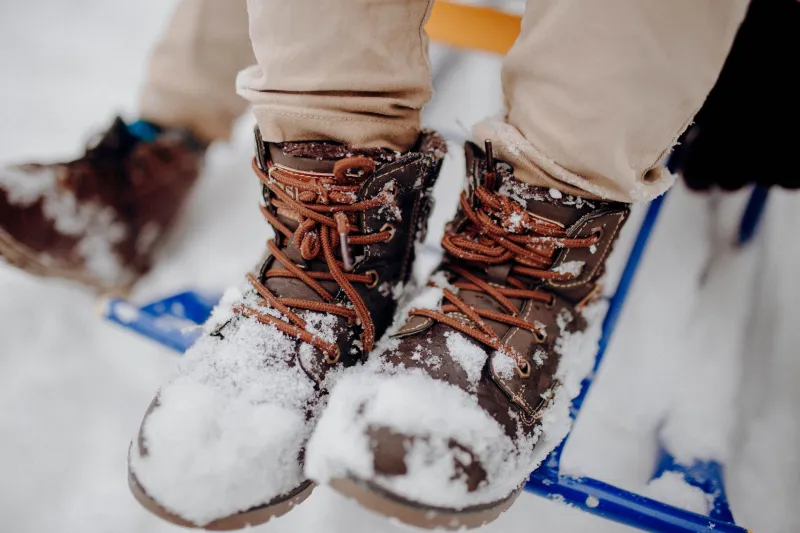
Let's be honest: most sneakerhead travel guides don't account for the fact that Sapporo gets absolutely buried in snow from November through March. We're talking real winter — not a dusting, not a light frost, but the kind of cold that makes your eyes water and turns every sidewalk into a slip-and-slide. For collectors flying in from the US, especially if you're used to shopping in cities where winter just means a light jacket, Sapporo's climate is a genuine variable you need to plan around.
The good news? Sapporo's retail scene has been quietly building out one of the most practical and stylish ecosystems for cold-weather sneaker culture in all of Japan. Whether you're here to hunt grails, pick up exclusive Japanese releases, or just need to keep your rotation functional while temperatures tank, the city's shops have you covered in ways that'll genuinely surprise you.
Why Sapporo Sneaker Culture Evolved Differently Than Tokyo's
Tokyo's sneaker scene is built around hype, queues, and climate-controlled mall environments. Sapporo's version had to adapt to something more demanding: actual weather. Local collectors here have spent years figuring out how to maintain their hobby — and their fits — without surrendering to bulky snow boots the moment October ends. That pragmatic, problem-solving mindset shaped an entire category of sneaker accessories that you'll find stocked in Sapporo shops but rarely prioritized anywhere else in Japan.
This isn't just about function. The aesthetic matters here too. Sapporo sneakerheads have developed a real eye for pairing cold-weather tech with clean, intentional styling — and the shops reflect that. You'll find heated insole displays next to limited colorway runners, grip sock walls adjacent to Jordan restocks. It's a different kind of curation, and it's genuinely worth exploring.
Heated Insoles: The Upgrade You Didn't Know You Needed
If you've never used a heated insole, Sapporo is the place to convert. Several sporting goods stores and specialty footwear shops in the Susukino and Odori areas stock battery-powered and rechargeable heated insoles from Japanese brands that simply don't have US distribution. These aren't the cheap disposable warmers you'd grab at a gas station — they're slim-profile, app-controllable inserts designed to fit inside low-profile sneakers without blowing out your toe box.
Shops near the underground shopping network (known as the Chikaho) tend to carry the more tech-forward options, since they serve a commuter crowd that actually needs to transition from outdoor cold to indoor comfort multiple times a day. Ask staff specifically about models designed for thinner soles — they'll know exactly what you mean, and many shops have bilingual staff or product cards that make the specs easy to compare.
Budget-wise, expect to spend roughly ¥3,000–¥8,000 depending on the model. That's a fraction of what you'd pay for comparable tech imported to the US, if you can even find it.
Grip Socks and Thermal Liners: Small Details, Big Difference
Sapporo's icy sidewalks are the natural enemy of any sneaker with a flat, smooth outsole — which, let's face it, describes a lot of the grails worth collecting. Grip-enhanced socks with rubberized tread patterns on the sole have become a staple accessory here, and local athletic shops carry an impressive range of thicknesses, materials, and compression levels.
Look for merino wool blends with silicone grip dots — they're warm enough to handle sub-zero temps without adding so much bulk that you're stretching out your kicks. A few boutique sock brands based in Hokkaido have even started producing designs that lean into the local outdoor aesthetic: muted earth tones, subtle mountain graphics, clean enough to wear with almost anything.
Thermal liner socks — thinner base layers designed to wear under a regular sock — are another find worth picking up in multiples. They're compact, lightweight, and genuinely useful for US winters too, so they travel well and make solid gifts for the sneakerheads back home who didn't make the trip.
Cold-Weather Kicks That Actually Hold Up (And Still Look Good)
If you're open to adding a Sapporo-specific pair to your rotation, the city's shops carry a selection of cold-weather sneakers that aren't just rebranded hiking boots. Japanese brands like Moonstar and Asics Sportstyle have winter-specific builds — waterproof uppers, Vibram-adjacent outsoles, insulated collars — that are designed to perform in Hokkaido conditions while still reading as sneakers rather than technical gear.
Some of these releases are Japan-exclusive, which makes them legitimately collectible in the US market. The Moonstar lineup in particular has a loyal following among collectors who appreciate the brand's Kurume craftsmanship roots, and Sapporo is one of the better cities to find a solid selection outside of Tokyo.
For Gore-Tex-treated runners and winter-ready trail silhouettes from the bigger brands, check the multi-brand sneaker shops around Tanukikoji Shopping Street. Inventory rotates frequently, and staff are generally pretty dialed into what's available in the city at any given time.
Storing Your Grails Through a Sapporo Winter
Here's a detail most travel guides skip entirely: humidity and temperature swings are genuinely bad for sneaker materials, and Sapporo's winters create both. If you're buying collectible pairs here and planning to store them for any length of time — or if you're a local collector managing a serious rotation — climate-aware storage is worth thinking about.
Several home goods and storage specialty shops in Sapporo stock silica gel packets, anti-yellowing inserts, and UV-blocking display boxes at prices significantly lower than what you'd find in US sneaker storage retailers. A few shops even carry humidity-controlled storage boxes originally marketed for camera equipment that the local sneaker community has quietly adopted for sole preservation.
It's the kind of cross-category shopping that Sapporo does well — practical solutions from unexpected aisles, once you know where to look.
A Few Practical Notes Before You Shop
Sapporo's underground shopping network is your best friend in deep winter. The Chikaho connects major train stations and department store complexes, letting you cover serious ground without ever stepping outside. Most of the shops worth visiting for sneaker accessories are accessible from this network or within a short walk of it.
If you're visiting during peak winter (January and February, especially around the Snow Festival), expect higher foot traffic and some inventory gaps on popular items. Shopping earlier in your trip rather than later is always the smarter move.
And if you're shipping purchases back to the US, most shops can arrange international shipping or point you toward nearby packing services. Insoles and socks pack light; shoes, obviously, require a bit more planning.
The bottom line: Sapporo doesn't ask you to choose between your sneaker hobby and surviving winter. The city's retail ecosystem has already solved that problem — you just have to show up and shop it right.