Pack Less, Dress Better: How Sapporo's Minimalist Boutiques Are Changing the Way Americans Travel
Most Americans pack for a trip to Japan the same way: overestimate what they'll need, stuff a roller bag to the zipper limit, and spend the whole trip lugging it around. Then they land in Sapporo, walk into one of the city's quietly exceptional minimalist boutiques, and realize they've been doing it completely wrong.
Sapporo doesn't have the fashion flash of Tokyo's Harajuku or the luxury saturation of Osaka's Shinsaibashi. What it does have is something more useful — a local retail culture built around restraint, function, and the kind of thoughtful curation that makes every piece in a shop feel like it was chosen for a reason. For travelers who want to shop smarter and carry less, Sapporo's minimalist fashion scene might be the most practical discovery of the whole trip.
The Philosophy Behind the Edit
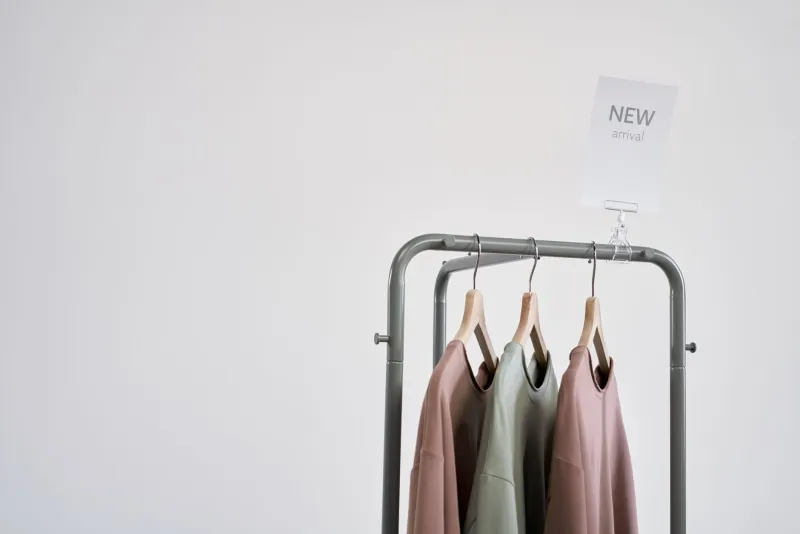
Japanese design culture has long embraced the concept of ma — a word that loosely translates to negative space, or the meaningful pause between things. In architecture, it's the empty room that makes you feel calm. In fashion retail, it shows up as the boutique with fifteen items on the rack instead of a hundred and fifty.
Sapporo's independent fashion shops lean hard into this idea. Walk into a place like the cluster of concept stores tucked around Minami Ichijo or the quieter blocks near Maruyama, and you'll notice the same thing everywhere: space. Not emptiness, but intentional restraint. The pieces that are there have been chosen because they work — with each other, across seasons, across occasions.
Shop owners in this part of the city tend to think about clothing the way a good editor thinks about words: what you cut matters as much as what you keep. One boutique owner in the Odori area, who stocks a rotating selection of Japanese-made basics and outerwear, put it simply: "We don't want customers to feel overwhelmed. We want them to feel certain."
That certainty is exactly what American travelers are missing when they overpack.
What You'll Actually Find on the Racks
Sapporo's minimalist boutiques aren't selling the loud streetwear you'd expect from a Japanese fashion destination. The aesthetic here runs toward clean lines, neutral palettes, and fabrics that perform across multiple contexts. Think heavyweight cotton tees that look as good tucked into trousers as they do under a technical shell. Think trousers cut wide enough to be comfortable on long travel days but structured enough for a nice dinner. Think outerwear that handles Hokkaido's weather without screaming "outdoor gear."
Brands you'll encounter include smaller Japanese labels that rarely ship internationally — names that don't have English websites, don't do influencer campaigns, and don't need to. Their reputations travel through word of mouth and the kind of slow retail that rewards people who actually show up.
For American shoppers used to fast fashion or even mid-tier mall brands, the quality difference is immediately obvious. Seams are finished differently. Fabric weights feel considered. Buttons aren't an afterthought. And the price points, while not cheap, are almost always lower than what comparable quality would cost back home.
Building a Travel Wardrobe on the Ground
Here's where Sapporo's minimalist boutiques become genuinely useful rather than just aesthetically interesting: the people working in them are exceptionally good at helping you build outfits.
This isn't the aggressive upsell you'd get at a department store. It's more like a quiet conversation where a shop assistant pulls three pieces, lays them out, and shows you how they combine into six different looks. They're not trying to sell you everything — they're trying to make sure what you buy actually works together.
For travelers, this is a revelation. Instead of shopping impulsively across ten different stores and ending up with pieces that don't coordinate, you can walk into one well-edited boutique and leave with a small capsule that covers most of your trip. A base layer, a mid-layer, a versatile outer piece, one pair of trousers that handles everything from hiking to dinner — Sapporo's boutiques are quietly expert at helping you land on exactly that combination.
If you're arriving early in your trip and want to recalibrate your packing strategy, this is the move. Buy two or three pieces, mail your overpacked bag home (Japan Post makes this embarrassingly easy and cheap), and spend the rest of your time actually enjoying the city instead of managing luggage.
Where to Start Looking
Sapporo doesn't have a single fashion district the way Tokyo does, which is part of what makes it interesting. The boutiques are scattered, and finding them requires a little wandering — which is honestly part of the experience.
The blocks around Maruyama tend to attract a slightly older, more design-conscious crowd, and the shops there reflect that. You'll find slower, more considered retail with owners who genuinely want to talk about what they carry. The Susukino-adjacent streets, meanwhile, have a handful of younger concept stores mixing Japanese basics with vintage-influenced cuts.
If you're staying near Sapporo Station, the underground shopping corridors — Sapporo Ekimae Dori in particular — connect to several smaller independent shops alongside the bigger chain stores. It's worth ducking into anything that looks like it has a coherent point of view rather than a clearance rack.
For the most curated experience, though, it's worth asking at your hotel or guesthouse. Sapporo locals tend to be genuinely proud of their city's under-the-radar retail scene, and a good recommendation from someone who actually lives there will take you somewhere a tourist map never would.
The Practical Upside
Beyond the aesthetics and the philosophy, there's a very practical reason to take Sapporo's minimalist boutiques seriously as a travel resource: Japan's climate variation is brutal on unprepared wardrobes.
Hokkaido runs cold even in summer, and Sapporo winters are legitimately Arctic by American standards outside of the upper Midwest. The pieces sold in these boutiques are designed for layering in ways that American clothing often isn't. A shirt that works as a base layer under a down vest but looks clean enough to wear alone in a heated restaurant — that's a Sapporo boutique specialty, and it's not something you'd easily find at home.
Buying a few pieces locally also means buying for the actual conditions you're in, rather than guessing from a weather app three weeks before departure. That alone is worth the detour.
Shop Smarter, Carry Less
The American instinct when traveling is to bring everything and buy nothing, or to buy everything and figure out the luggage situation later. Sapporo's minimalist fashion scene quietly suggests a third option: bring less, buy intentionally, and let the people who built their careers around thoughtful curation help you figure out what you actually need.
It's a more relaxed way to travel. And in a city that's already one of Japan's most underrated destinations for serious shoppers, finding a boutique that helps you pack smarter might be the best souvenir you bring home — even if you can't fit it in your bag.