How to Shop Sapporo's Snow Festival Like You've Done It Before
If you've ever been to a major American event — South by Southwest, Coachella, the Kentucky Derby — you already understand the basic math: the bigger the crowd, the faster the good stuff disappears. Sapporo's Yuki Matsuri, or Snow Festival, works exactly the same way, except the scale is almost incomprehensible. We're talking roughly two million visitors descending on a city of under two million people over about a week in early February. Ice sculptures the size of apartment buildings. Crowds thick enough to make Times Square feel roomy.
And somewhere inside all that chaos? Some of the best limited-run shopping you'll find anywhere in Japan.
The trick is knowing where to look — and when to move.
Why the Snow Festival Is Actually a Shopping Event
Most travel content frames Yuki Matsuri as a sightseeing experience: show up, photograph the sculptures, eat some street food, leave. That framing is leaving serious money on the table. For local makers, small retailers, and Hokkaido-based brands, the festival is one of the most important commercial moments of the year. Pop-up stalls, limited-edition packaging, and festival-exclusive product runs appear specifically because the audience is there. Then they're gone.
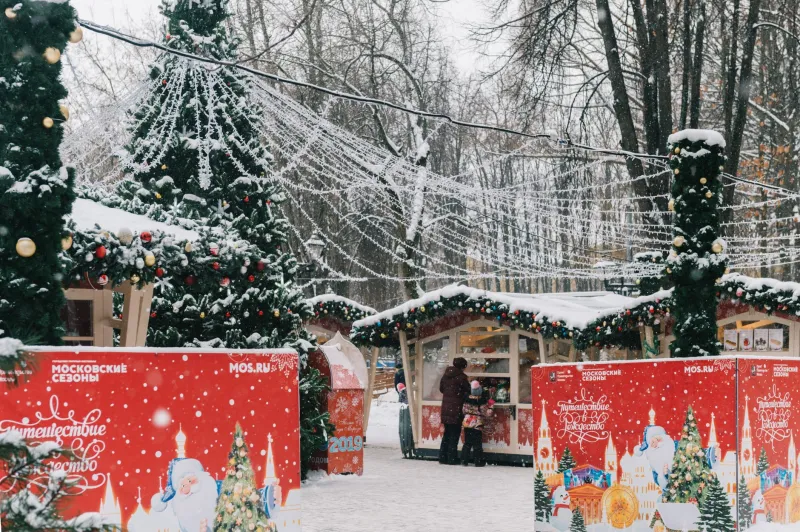
American shoppers are used to this concept — think holiday pop-ups at Rockefeller Center or the vendor rows at a major music festival. The Sapporo version just happens to be colder, more organized, and frankly, more interesting from a product standpoint.
The Odori Park Corridor: Don't Just Look Up
Odori Park is the main stage for the snow sculptures, and it's where most visitors spend the majority of their time with their necks craned skyward. That's understandable. The sculptures are genuinely jaw-dropping. But running alongside and radiating out from the park is a network of vendor stalls and temporary retail setups that most tourists walk right past.
Look for booths operated by Hokkaido agricultural cooperatives — these are the ones selling things like small-batch dairy products, regional honey, and vacuum-packed Hokkaido seafood that you actually can bring back to the US (check current customs rules on processed vs. fresh items before you pack). Festival-edition packaging on Hokkaido staples — think butter confections, corn snacks, and potato-based sweets — shows up here and almost nowhere else. These aren't gimmicks; they're genuinely regional products dressed up for the occasion, and they make for far better gifts than anything you'll find at the airport.
Susukino Ice Sculptures and the Shopping District Around Them
Susukino, Sapporo's entertainment and nightlife district, hosts its own ice sculpture event as part of the broader festival. The crowds here skew a little different — more locals, more evening visitors — and the surrounding retail environment reflects that. The shops and covered arcades in and around Susukino don't shut down for the festival; they lean into it.
This is a good place to hunt for festival-adjacent fashion and accessories. Sapporo streetwear shops sometimes drop winter-specific pieces timed to the festival, and you'll occasionally find independent designers selling directly out of small storefronts or even off folding tables. It's less polished than the Odori corridor, which is exactly why it's worth your time.
The Neighborhoods the Tourists Skip
Here's the move that separates the intentional shopper from the casual tourist: when crowds pile into the main festival zones, the surrounding neighborhoods actually get easier to shop in.
Nakajima Park, a short walk south of Odori, sits close enough to the festival energy to benefit from it but far enough that foot traffic stays manageable. A handful of small antique and craft shops operate in this area, and some of them stock up specifically for the festival season — knowing that a certain type of visitor (the one who's already done the main attractions and is looking for something more interesting) will eventually wander their way.
Similarly, the Tanukikoji Shopping Arcade — a covered market street that's been operating in some form since the 1870s — tends to be overlooked during festival week because it doesn't have ice sculptures. That's your advantage. The permanent vendors here include everything from traditional crafts and Hokkaido ceramics to vintage goods and practical winter gear, and the atmosphere during festival week has an energy that's hard to describe: busy but not frantic, festive but genuinely local.
Limited-Edition Festival Merchandise: What's Worth Buying
Not everything branded with a snow sculpture motif is worth your luggage space. Here's a quick filter:
Worth it: Confections and food products in festival-exclusive packaging from established Hokkaido brands. These are genuinely hard to find outside the festival window and make for gifts that actually tell a story.
Worth it: Handmade items from local artisan pop-ups — ceramics, woodwork, textile goods. Look for stalls where the maker is physically present. That's almost always a sign that what they're selling is the real thing.
Worth it: Festival-specific prints or artwork from Hokkaido illustrators and designers. The Sapporo art and design scene is quietly excellent, and festival season brings a lot of it to street level.
Skip it: Generic souvenir merchandise with snow festival imagery that could have been printed anywhere. You'll know it when you see it — it has the same energy as a Times Square snow globe.
Timing Is Everything
Festival week runs roughly the first two weeks of February, with the peak crowd days typically falling on the first weekend. If your schedule has any flexibility at all, arrive midweek. You'll still get the full festival experience — the sculptures are up, the stalls are running — but you'll be able to actually move through the shopping areas without feeling like you're navigating a stadium exit.
For pop-ups specifically, earlier in the festival is almost always better. Limited-edition stock sells out. Artisan makers with small production runs don't restock. If you see something on day one and think you'll come back for it on day five, there's a real chance it'll be gone.
Mornings before 10 AM are also underrated. The main sculpture areas are still beautiful, the vendors are freshly stocked, and the crowds haven't fully materialized yet. Combine an early start with a plan to hit the less-obvious neighborhoods by midday, and you've got a solid framework for a genuinely productive shopping day.
One More Thing
Bring a tote bag. Seriously. Sapporo shops are moving away from single-use plastic bags, and juggling purchases in mittens while navigating a snow festival is its own special challenge. A sturdy, foldable bag takes up no luggage space and will save you multiple small frustrations over the course of the day.
The Snow Festival is one of those rare events that's actually worth the hype — and the shopping layer underneath it is one of the best-kept secrets in winter travel. Now you know where to look.