Forget North Face: Why Sapporo's Local Winter Gear Is Built Harder and Costs Less
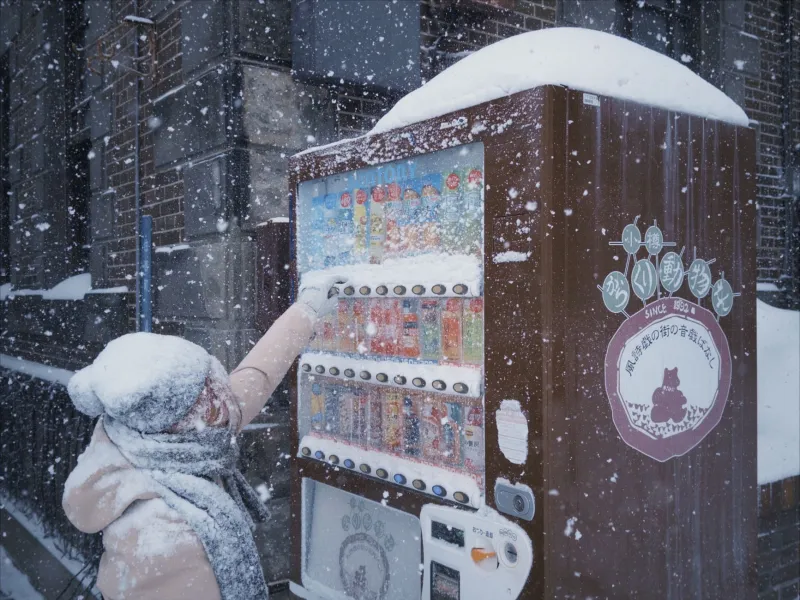
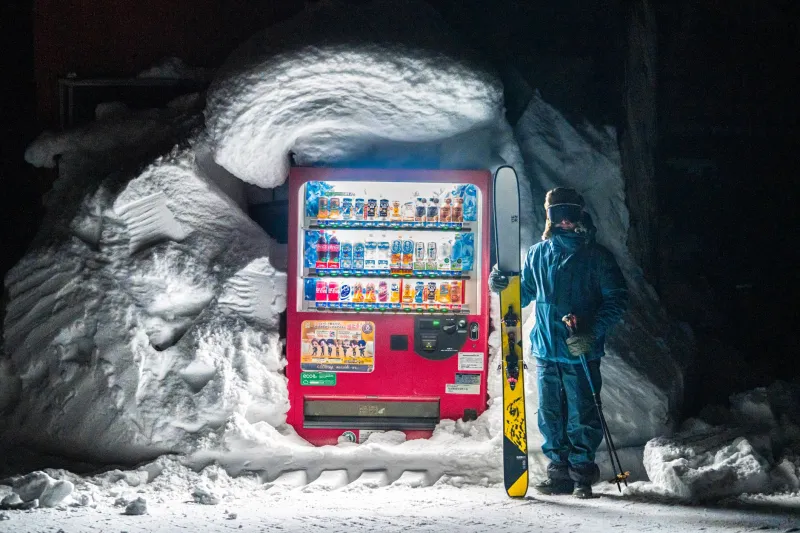
There's a particular kind of cold that Sapporo does. Not the damp, bone-chilling cold of the Pacific Northwest, or the dry, biting cold of Colorado. Sapporo's winter is relentless — sustained sub-zero temperatures, heavy snowfall measured in meters rather than inches, and winds that come screaming off the Sea of Japan with no apologies. The city gets more snow annually than almost anywhere else on Earth with a population this size.
So when you're standing in a Sapporo outdoor gear shop, surrounded by jackets and base layers engineered specifically for this climate, by brands that have been quietly perfecting cold-weather apparel for decades — and then you check the price tag — it's a little hard to justify ever buying from REI again.
That's not hyperbole. It's just the reality of shopping in Hokkaido.
Why Sapporo Produces Genuinely Different Winter Gear
American outdoor brands like North Face, Patagonia, and Arc'teryx are excellent products. Nobody's disputing that. But they're designed for a broad global market — versatile enough for a ski weekend in Vermont, a hike in the Rockies, or a trip to Iceland. That versatility is baked into the design, the marketing, and the price point.
Sapporo's local and regional brands don't have that problem. They're building for one specific use case: surviving a Hokkaido winter. That means insulation rated for temperatures that American brands tend to treat as edge cases. It means moisture management systems designed for wet, heavy Hokkaido snow rather than drier alpine powder. It means seam sealing, hood structures, and cuff designs that reflect generations of feedback from people who actually live and work outside here.
The result is gear that performs differently — not always flashier, often less logo-heavy, but functionally superior for the specific conditions you're heading into.
The Brands You Should Actually Know
A few names worth putting on your radar before you land:
Goldwin is probably the most technically sophisticated Japanese outdoor brand most Americans have never heard of. Based in Japan and with deep roots in alpine sports, their ski and cold-weather lines are genuinely world-class. You'll find Goldwin stockists throughout Sapporo, and the price difference compared to equivalent North Face or Arc'teryx gear is often 30–50% lower, especially when you factor in the favorable exchange rate.
Montbell is the one Japanese outdoor brand that's starting to get traction in the US, but it's still dramatically underpriced relative to its quality. Their UL Down series and thermal base layers are legendary among Japanese mountaineers and backcountry skiers. In Sapporo, you can walk into a Montbell store and pick up a full insulated jacket for what you'd pay for a mid-layer at home.
Phenix has been outfitting Japanese ski teams and serious alpine athletes for decades. Their technical ski jackets and pants show up on Hokkaido slopes constantly, and for good reason — the construction is exceptional. Less well-known internationally, which means the pricing still reflects a domestic Japanese market rather than inflated global retail margins.
Beyond these bigger names, Sapporo also has smaller regional outfitters and workwear-adjacent brands that produce incredibly durable cold-weather gear originally designed for Hokkaido's agricultural and fishing industries. This stuff isn't glamorous, but a quilted work jacket built for a farmer spending twelve hours outside in Hokkaido February? That's a serious piece of kit.
Where to Actually Shop
The Sapporo Factory complex and the shopping areas around Odori and Susukino both have outdoor gear retailers worth exploring, but if you're serious about this kind of shopping, the areas around Tanukikoji Shopping Street and the sporting goods clusters near Sapporo Station are your best starting points.
For ski-specific gear, head toward the shops clustered around the resort access routes — particularly near Teine and the roads leading toward Niseko. These stores cater to local skiers and seasonal workers who need functional gear, not fashion-forward pieces with inflated price tags.
Don't overlook the outdoor and sports floors of Sapporo's department stores, either. Marui Imai and Daimaru both carry curated selections of technical apparel that you won't easily find in the US, and the quality control is exactly what you'd expect from a Japanese department store environment.
The Price Comparison That'll Make You Reconsider Everything
Let's get specific for a second, because this is where it gets genuinely interesting for US shoppers.
A high-quality insulated ski jacket from North Face — the kind rated for serious cold, with decent waterproofing and a proper hood — will run you $350–$500 at retail in the US. A comparable Goldwin or Phenix jacket in Sapporo? You're looking at roughly $180–$280, and that's before you account for the current exchange rate, which has been favorable for dollar holders in recent years.
Montbell's down jackets — legitimately some of the warmest-per-gram insulated pieces available anywhere — retail for $120–$200 in Japan for products that would cost $250–$350 in an American outdoor store, if you could find them at all.
Base layers tell a similar story. Japanese thermal underlayers designed for extreme cold — the kind that Hokkaido ski patrollers and mountain workers actually use — are available at price points that feel almost unreasonable by American retail standards.
What to Consider Before You Buy
A few practical notes for US shoppers:
Sizing runs smaller in Japanese outdoor gear, so trying things on in-store is genuinely important. Don't assume your usual size translates — go up at least one size as a starting point and work from there.
Most major outdoor gear retailers in Sapporo can process a tax-free purchase for foreign visitors on qualifying purchases. Make sure you have your passport and ask about the tax exemption process at the register — it's a straightforward procedure and adds another 10% back in your pocket.
If you're buying ski-specific gear and plan to rent equipment at a Hokkaido resort, it's worth buying your apparel first and renting hardware. Apparel is where the real value gap between Japanese and American retail is widest.
The Bottom Line
Sapporo's winter gear market exists because Hokkaido winters demand it. These products weren't designed to look good in a Brooklyn coffee shop after a weekend ski trip — they were built to keep people functional and warm in genuinely brutal conditions, season after season.
For US shoppers heading to Hokkaido, that's an enormous opportunity. You can arrive with a carry-on and leave with a full winter kit that outperforms most of what's hanging in American outdoor retailers — at a price that leaves money for everything else Sapporo has to offer.
Which, as you'll discover, is quite a lot.