Dress Like a Local: Sapporo's Best Spots for Japanese Streetwear and Independent Fashion
Most American travelers heading to Japan have a mental checklist: temples, ramen, maybe a Studio Ghibli museum detour. Fashion rarely makes the top five. But if you're flying into Sapporo and writing off the city's clothing scene in favor of souvenir shops and snow festivals, you're leaving some seriously good shopping on the table.
Sapporo's style identity is quieter than Tokyo's, more considered than Osaka's. It's a city that dresses for cold winters and long commutes, which means the clothes here are built to actually work — layered, functional, and often unexpectedly beautiful. The independent fashion culture that's grown up around neighborhoods like Susukino and the Odori area isn't trying to compete with Harajuku. It's doing its own thing entirely.
Why Sapporo's Fashion Scene Hits Different
Hokkaido's relative isolation from the Japanese mainland has always pushed its creative communities to develop local identity rather than just mirror trends from Tokyo. That's true in food, in architecture, and yes, in fashion. What you'll find in Sapporo's boutiques reflects a distinctly northern Japanese sensibility — heavy on natural materials, muted earth tones, clean silhouettes, and a kind of quiet confidence that doesn't need a logo to make a statement.
For American shoppers used to fast fashion at the mall or scrolling endlessly through Instagram drops, walking into a well-edited Sapporo boutique can feel like a reset. These shops typically carry limited quantities, stock items from Japanese designers who don't export to the US, and often have staff who are genuinely enthusiastic about what they're selling.
Tanukikoji: The Covered Arcade Worth Getting Lost In
Tanukikoji is Sapporo's famous covered shopping street, stretching across several blocks near the city center. Most visitors walk through it looking for snacks and keychains. That's fine — but slow down and you'll spot something more interesting.
Tucked between the souvenir stalls and chain restaurants are independently owned clothing stores that have been quietly building loyal followings for years. Look for shops carrying Japanese workwear-influenced pieces — think heavy canvas jackets, selvedge denim, and accessories made from domestic leather. Prices are reasonable by Japanese retail standards, and the quality-to-cost ratio compared to equivalent American brands is genuinely striking.
Vintage is also well-represented here. Japan has a deep culture of vintage curation — items are graded carefully, cleaned thoroughly, and priced based on condition rather than just hype. If you're a vintage denim person, or you've always wanted an original piece of 1980s or 1990s Japanese streetwear, Tanukikoji's vintage outposts are worth a serious look.
Susukino: More Than Just Nightlife
Susukino has a reputation as Sapporo's entertainment district, and that reputation is earned. But the streets surrounding the main drag have developed a legitimate cluster of fashion-forward shops that cater to a younger, style-conscious crowd.
This is where you're more likely to find emerging Japanese designer labels — small-run collections from graduates of design schools in Sapporo and Tokyo who've chosen to set up shop in Hokkaido rather than fight for shelf space in the capital. The aesthetic here leans toward the experimental: deconstructed silhouettes, unexpected fabric combinations, pieces that blur the line between clothing and wearable art.
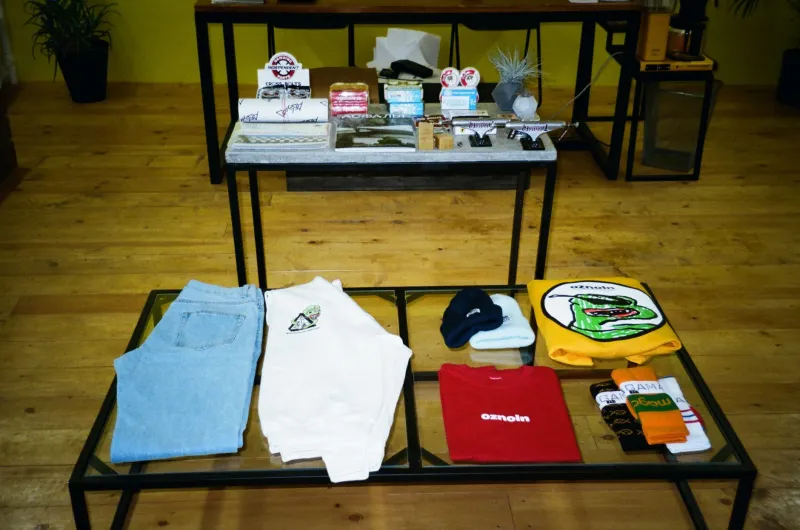
It's also where you'll find the city's best sneaker culture. Japan's relationship with limited-edition footwear is well documented, and Sapporo has its own dedicated community of collectors and resellers. Even if you're not dropping serious money on shoes, the shops themselves are worth browsing — the curation is meticulous and the display aesthetics alone are worth a photo.
What to Actually Buy
If you're shopping strategically, here's what tends to offer the best value and the most "I can't get this at home" factor:
Japanese selvedge denim and workwear. Brands like Oni Denim and various smaller Hokkaido-based labels produce raw denim and work-inspired clothing that rivals anything from American heritage brands — often at lower prices than you'd expect.
Outerwear. Given Hokkaido's winters, Sapporo's shops have a genuinely excellent selection of functional coats, parkas, and layering pieces. Japanese outdoor and lifestyle brands often go unnoticed in the US market but are well worth discovering here.
Accessories and small leather goods. Japanese craftsmanship in accessories — wallets, bags, belts — is exceptional. Smaller boutiques often stock items from regional artisans who don't have international distribution.
Vintage finds. Curated vintage from Japanese shops tends to be in better condition than comparable American thrift store finds, and the selection of Japanese-market-only pieces from decades past is genuinely unique.
A Few Practical Notes for American Shoppers
Sizing is the obvious consideration. Japanese sizing runs smaller than American standard, so try things on when you can. Many shops have fitting rooms and staff who are used to helping international visitors navigate this.
Credit cards are accepted more widely than they used to be, but cash is still king at smaller independent shops. Grab some yen from a 7-Eleven ATM before you head out — they reliably accept foreign cards.
Don't be shy about asking shop staff for recommendations. Even with a language barrier, the enthusiasm for their products usually comes through clearly. A few words of Japanese go a long way in terms of goodwill — "kore wa ii desu" (this is nice) and "arigatou gozaimasu" (thank you) will serve you well.
Finally, budget extra luggage space before you go. Sapporo's fashion scene has a way of surprising people, and coming home with an empty suitcase would be a genuine missed opportunity.